PERTH, WESTERN AUSTRALIA: A Comprehensive Travel Guide for First-Time Visitors
If someone told me a few years ago that I’d fall head over heels for a city perched on the southwestern edge of Australia — more geographically isolated than almost any other capital city on Earth — I’d have been skeptical. But here I am, unabashedly in love with Perth. This sun-drenched, river-kissed, endlessly optimistic city has a way of sneaking up on you. You arrive expecting a pleasant stopover, and you leave booking your return flight before you’ve even cleared customs.
Perth is not a city that shouts for attention. It doesn’t need to. It simply glows — with golden beaches, a thriving food scene, world-class wine country on its doorstep, and a laid-back energy that somehow coexists with genuine urban sophistication. Whether you’re a solo backpacker, a honeymooning couple, or a family chasing sunshine, Perth has a way of making everyone feel like a local within hours.
This guide is your definitive companion to exploring Perth, Western Australia — from the practical nuts and bolts of getting here to the hidden gems that even seasoned travellers sometimes miss.
Table of Contents
Click the relevant heading to jump to that section.
Why You’ll Love It Here:
Perth sits alone in a way no other major city does. It is closer to Singapore than it is to Sydney. That isolation has forged something rare: a city with its own distinct personality, untouched by the cultural homogenisation that affects so many modern capitals. Perth has sunshine (an average of 3,000 hours per year), some of the most pristine beaches in the Southern Hemisphere, incredible wildlife encounters (quokkas on Rottnest Island, anyone?), and a food and wine scene that punches far above its weight. Add to that a genuine warmth in the local population, and you have a destination that’s not just worth visiting — it’s worth lingering in.
Getting Acquainted with Perth, Western Australia
Brief History
Perth was officially founded in 1829 as a British colonial settlement — though the Noongar people had called this land home for tens of thousands of years before European arrival. The city grew modestly until the gold rush of the 1890s transformed Perth almost overnight from a quiet outpost into a thriving boomtown. The discovery of gold in Kalgoorlie sent waves of fortune-seekers flooding into Western Australia, and Perth became the gateway to it all. Today, Perth wears this history with pride and growing acknowledgment of its First Nations heritage, which you’ll see reflected in public art, cultural centres, and place names throughout the city.
Geography and Landscape
Positioned on the southwestern coast of Australia along the Indian Ocean, Perth sprawls across a coastal plain bordered by the Darling Range to the east and the ocean to the west. The Swan River winds through the city like a silver ribbon, giving Perth some of its most iconic views. The climate is Mediterranean — hot, dry summers and mild, wet winters — which means Perth enjoys some of the best weather of any major city in the world. The surrounding landscape varies dramatically, from surf beaches and limestone cliffs to eucalyptus forests and wildflower plains that explode into colour each spring.
Culture and Local Lifestyle
Life in Perth moves at a rhythm that’s distinctly its own. People here work hard, but they play just as hard — and the outdoors is central to almost everything. Weekends are for beach walks, farmers markets, alfresco brunches, cycling along the river, or driving down to Margaret River for the weekend. Perth residents have an easy confidence and a genuine curiosity about visitors. Don’t be surprised if your barista asks where you’re from and ends up giving you a 10-minute rundown of their favourite local spots.
The arts scene in Perth is richer than many outsiders expect. The Perth Festival, held annually in February and March, is one of the oldest arts festivals in the Southern Hemisphere. PIAF, or the Perth International Arts Festival, draws world-class performers, and local theatre and music venues thrive year-round.
Demographics and Atmosphere
Perth is home to around 2.2 million people, making it Australia’s fourth-largest city. It’s an ethnically diverse city, shaped by waves of immigration from the UK, Southeast Asia, New Zealand, and beyond. That diversity feeds directly into Perth’s food scene, its cultural events, and the general cosmopolitan vibe of neighbourhoods like Northbridge, Subiaco, and Mount Lawley. The atmosphere leans relaxed and friendly — there’s no Sydney hustle here, no Melbourne self-consciousness. Perth is just… itself.
Language and Communication
English is the official language, and you’ll have no trouble communicating. That said, Australian slang is very much alive in Perth. Expect to hear “arvo” (afternoon), “servo” (service station), “bottle-o” (bottle shop/liquor store), and “ta” (thank you) thrown around casually. Perth locals are warm and chatty — strike up a conversation and you’ll quickly feel at home.
Economy and Local Specialties
Perth’s economy has historically been driven by mining and resources — it’s the gateway to Western Australia’s vast mineral wealth, and the skyline reflects that prosperity. But Perth has diversified significantly, with technology, tourism, healthcare, and education all playing growing roles. Locally, Perth is famous for its seafood (especially Western Australian crayfish, or “cray”), Margaret River wines, craft beer from its booming microbrewery scene, and incredible fresh produce from the fertile Southwest.
Key Attractions Preview
Before we dive in, here’s a quick taste of what awaits: the white sands of Cottesloe Beach, the rottnest quokka selfie you didn’t know you needed, the glassy waters of the Swan River, Kings Park overlooking the city, the laneway bars of Northbridge, the vineyards of the Swan Valley, and the wild coastline of the Turquoise Coast to the north.
Best Time to Visit Perth, Western Australia
Perth’s Mediterranean climate means it’s genuinely pleasant year-round, but each season has its own character.
Spring (September–November) is arguably Perth at its most spectacular — wildflowers blanket the countryside, the temperature is perfect (20–27°C), and the city buzzes with festivals and outdoor events. This is peak “shoulder season” — busy but not overwhelmingly so.
Summer (December–February) brings fierce heat (often above 35°C) but also long beach days, outdoor concerts, and a city in full swing. Stay hydrated, embrace the ocean, and enjoy Perth at its most energetic.
Autumn (March–May) is a local favourite — the heat eases, the crowds thin, and the Margaret River wine region begins harvest season. Absolutely ideal for food and wine tourism.
Winter (June–August) is mild and green. Rain visits regularly, but rarely for long, and the city’s café culture comes into its own. Perth’s wildflower season begins late winter, and whale watching along the coast is sensational.
Seasonal Event Calendar
| Month | Event |
|---|---|
| January | Summer festivals, outdoor cinema season |
| February–March | Perth Festival (PIAF) — arts, theatre, music |
| March | Fringe World Festival, Margaret River Harvest |
| May | West Coast Blues ‘n’ Roots Festival |
| June | Perth Racing Carnival |
| September | Wildflower season begins; Royal Show |
| October | Kings Park Wildflower Festival |
| November | Sculptures by the Sea, Cottesloe Beach |
| December | Christmas by the River, outdoor concerts |
Public Holidays to Note: Australia Day (January 26), Easter (April, variable), ANZAC Day (April 25), and the WA Day long weekend in June can see some shops, banks, and businesses close. Book transport and accommodation in advance around these dates.
Do You Need a Visa to Travel to Australia?
Yes — almost every visitor to Australia requires a visa or electronic travel authority. Most visitors from countries like the UK, USA, Canada, and much of Western Europe can apply for an eVisitor (subclass 651) or Electronic Travel Authority (ETA, subclass 601) online, often within minutes and at low or no cost. Other nationalities require a tourist visa applied for through the Australian Department of Home Affairs. Always check the current requirements at the official Australian Government immigration website well before travel. Visa rules can and do change, so don’t leave this to the last minute.
Book the Flight
Perth Airport (PER) is the main international gateway and is well-connected to major Asian hubs, including Singapore (Changi), Kuala Lumpur (KLIA), and Dubai. Airlines including Qantas, Singapore Airlines, Malaysia Airlines, Emirates, and Cathay Pacific all operate routes into Perth. From the east coast of Australia, frequent domestic flights connect Perth with Sydney, Melbourne, Brisbane, and Adelaide — though brace yourself for the flight time, which is typically 4–5 hours from Sydney.
Pro tip: Flying via Singapore or Kuala Lumpur often yields better fares than routing through eastern Australia. Check both options when booking.
Get Travel Insurance with SafetyWing Nomad Insurance
This is non-negotiable for a Perth trip, and here’s why it matters specifically for this destination: Australia has a world-class public health system, but as a foreign visitor, you are not covered by Medicare (unless your country has a reciprocal healthcare agreement). Private hospital treatment in Perth is expensive — a single emergency room visit can cost hundreds of dollars without insurance.
Beyond healthcare, if you’re planning to hike in the Stirling Ranges, swim at remote beaches, or explore the rugged bush around Perth, evacuation and emergency services costs can be significant. SafetyWing Nomad Insurance covers medical emergencies, trip interruption, and more — and it’s designed specifically for travellers. Sort it before you fly.
Explore Perth, Western Australia
Logistics and Infrastructure
Getting There: From international hubs, Perth Airport (PER) is straightforward to reach. The airport sits about 12 km east of the CBD. A taxi or rideshare (Uber is widely available in Perth) to the city takes 20–30 minutes and costs roughly AUD $40–55. The Transperth train service also connects the airport to Perth city — the Armadale/Thornlie line stops at both Terminal 1/2 and Terminal 3/4 stations, and the fare into the city is minimal (around AUD $5).
Getting Around: Perth has a solid public transport network operated by Transperth, including buses, trains, and ferries. The CAT (Central Area Transit) buses in the CBD are free and run frequently — a godsend for tourists. The Transperth app is your best friend here; download it before arrival for real-time timetables. Uber and Ola operate widely in Perth for ridesharing. Cycling is fantastic along the Swan River foreshore and through Kings Park, with bike hire available at multiple locations. A car is strongly recommended if you’re exploring the Swan Valley, Margaret River, or the Turquoise Coast.
Booking Windows: Transperth trains don’t require advance booking — buy a SmartRider card at any train station or use contactless payment. Regional buses (like Rottnest Island ferries) should be booked ahead, especially in summer.
Transit Apps: Transperth app (official), Uber, Ola, Google Maps (covers Transperth timetables well).
Budgeting: Perth is an expensive city by Southeast Asian standards, but reasonable compared to Sydney or London. Budget backpackers can get by on AUD $80–100/day. Mid-range travellers should budget AUD $150–250/day for accommodation, meals, activities, and transport. Luxury options are plentiful for those who want them.
Places to Visit in Perth, Western Australia
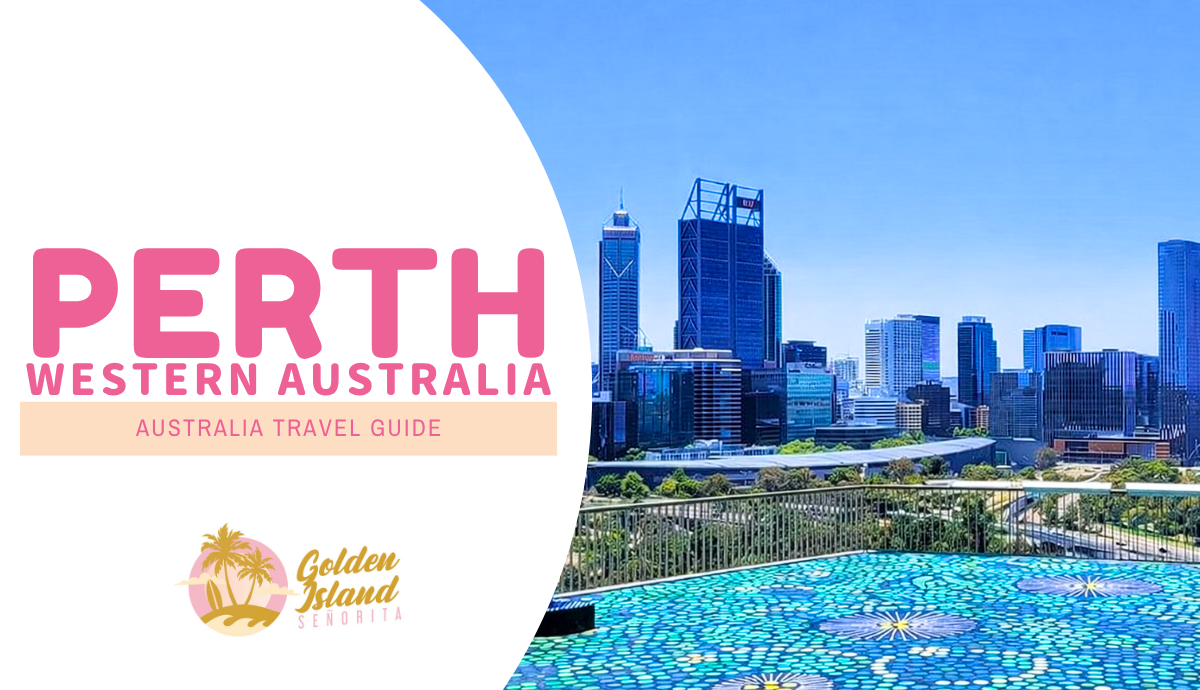
Kings Park and Botanic Garden — Arguably the best urban park in Australia, Kings Park sits on a ridge above the Swan River with panoramic views over the city and river. The 400-hectare park includes manicured gardens, bushland walking trails, a world-class botanic garden with Western Australian native plants, and the moving State War Memorial. Go at dawn for golden light over the skyline, or visit during wildflower season (September–October) when the gardens blaze with colour.
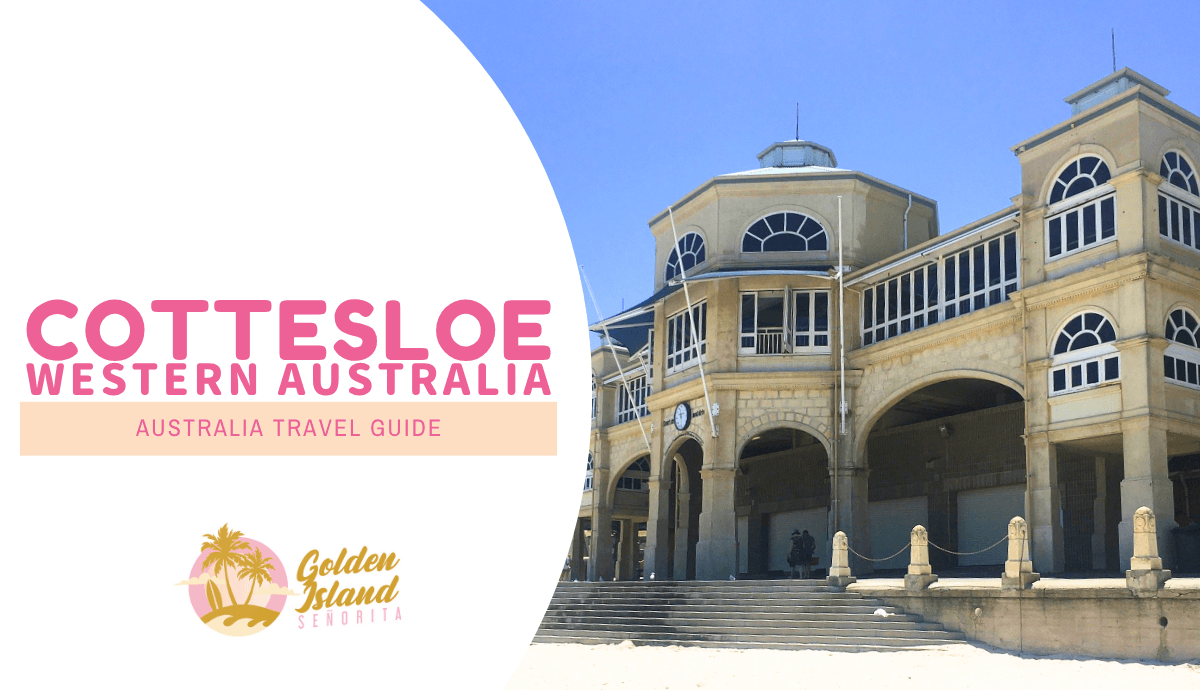
Cottesloe Beach — The jewel in Perth’s coastal crown. Cottesloe is a postcard-perfect beach with calm, turquoise water, a grassy foreshore shaded by Norfolk pines, and a relaxed beach club atmosphere. Swim, snorkel, or simply lie on the sand watching the Indian Ocean catch fire at sunset. The adjacent strip of cafés and restaurants means you can stretch a morning at the beach into a full day’s outing.
Fremantle — Just 30 minutes from Perth by train, “Freo” is everything Perth is, but turned up several notches on the character dial. This historic port city has impeccably preserved 19th-century architecture, a thriving arts and music scene, the famous Fremantle Markets (open Friday through Sunday), outstanding craft breweries (Little Creatures is a must-visit), and the chilling Fremantle Prison, now a UNESCO World Heritage Site. Perth travellers who skip Fremantle are doing themselves a genuine disservice.
Rottnest Island — A short ferry ride from Perth or Fremantle, Rottnest Island (affectionately called “Rotto”) is famous worldwide for one thing: quokkas. These small, perpetually smiling marsupials are found almost nowhere else on Earth, and they have zero fear of humans, making Rotto the best place on the planet to get that selfie. But Rotto is much more than quokkas — it’s a car-free island paradise with 63 beaches and bays, crystal-clear snorkelling waters, historic military fortifications, and excellent cycling. No cars are permitted, so hire a bike at the ferry terminal and spend a day island-hopping between bays.
The Perth CBD and Northbridge — Perth’s city centre has undergone a genuine transformation in recent years. Elizabeth Quay along the waterfront is lively with dining, events, and river access. The Perth Cultural Centre houses the Art Gallery of WA, the WA Museum Boola Bardip (a stunning recently redeveloped museum), the State Library, and the State Theatre Centre — all within walking distance. By night, head to Northbridge for Perth’s best nightlife, lane bars, diverse restaurants, and a vibrant arts community.
The Swan Valley — Just 25 minutes northeast of Perth, the Swan Valley is WA’s oldest wine region and an excellent food and wine day trip from the city. The 32 km Swan Valley Food and Wine Trail takes you past wineries, craft breweries, chocolatiers, nougat makers, honey farms, and farm-to-table restaurants. Perfectly manageable as a full-day self-drive from Perth.
Self-Guided Walking Tour of Perth
Start: Elizabeth Quay (waterfront) → walk through the CBD past Yagan Square → through Northbridge’s cultural precinct → up to Kings Park for the city viewpoint. End: Kings Park lookout, approximately 4–5 km total. This walk takes 2–3 hours at a leisurely pace and covers Perth’s essential urban highlights beautifully.
Food to Try in Perth, Western Australia
Culinary Deep Dive: Perth’s Food Culture
Perth’s dining scene is extraordinary — and it doesn’t get nearly enough credit. The food culture here is shaped by proximity to some of the world’s best seafood and produce, a multicultural population bringing global flavours, and a café culture so entrenched it’s practically a religion.
Meal Structure: Australians typically eat three meals a day, but brunch culture is massive in Perth — weekend brunches at spots like Wildflower (Perth CBD) or짧 in Fremantle often start late morning and drift into early afternoon. Dinner service generally runs from 6pm onwards.
Regional Specialties:
- WA Rock Lobster (“Cray”): Fresh, sweet, and outstanding. Order it at a Fremantle restaurant and it will ruin all other lobster for you.
- Barramundi: A uniquely Australian fish, served everywhere from beachside kiosks to fine dining restaurants.
- Margaret River Cheese and Charcuterie: Exceptional local cheeses pair perfectly with the region’s wines.
- Flat White: Perth’s café culture is exceptional. The flat white here rivals Melbourne — bold claim, but fair one.
- Lamingtons and Tim Tams: Classic Australian treats you must try at least once.
- Zambreros and Guzman y Gomez: Fresh Mexican chains beloved locally — fast, fresh, and genuinely good.
For markets, the Fremantle Markets (fresh produce, artisan foods) and the Subiaco Farmers Market (Saturday mornings) are brilliant stops for foraging your own Perth feast.
Insider Tips and Recommendations
- Sunscreen always. Perth’s UV index is brutal, even on overcast days. A tube of SPF 50+ is non-negotiable.
- The Indian Ocean is powerful. Always swim between the flags at patrolled beaches. Rips are common at ocean-facing beaches.
- Card is king. Most places in Perth accept contactless payment for even small purchases. Carrying cash isn’t necessary for the city, though some regional spots still prefer it.
- Café etiquette: Don’t ask for a “regular coffee” — you’ll get a blank stare. Know your order: flat white, long black, or a latte.
- Book Rottnest ferries in advance during school holidays and summer. They sell out.
Know Before You Go: Honest Truths
Common Tourist Traps and Scams: Perth is genuinely a safe and low-scam city by international standards. That said:
- Overpriced tourist restaurants near Elizabeth Quay and Cottesloe can disappoint. Walk a block or two inland for better value and quality.
- Watch for unlicensed tour operators around the Rottnest ferry terminals — always book through Rottnest Express or Sealink directly.
- Car hire insurance: hire companies in Perth sometimes oversell additional insurance coverage. Check whether your travel insurance or credit card already covers rental car excess.
Over-tourism: Rottnest Island gets very crowded on summer weekends. Visit on a weekday if you can, or take the early morning ferry to enjoy the bays before the crowds arrive. For beaches, Cottesloe can feel packed on hot summer weekends — instead, head to City Beach or Scarborough Beach just a few kilometres north for a similar experience with fewer crowds.
Travel Insurance — why it really matters here: Australia has no national ambulance coverage for tourists. A helicopter medical evacuation from a remote hiking area in the Stirling Range or along the Turquoise Coast can cost tens of thousands of dollars. Perth itself has high-cost private healthcare. Do not visit without comprehensive travel insurance covering medical and emergency evacuation.
Day Trips from Perth, Western Australia
Margaret River (3.5 hours south): World-class wine, surf breaks, ancient caves, and exceptional food. A weekend is better than a day, but a long day trip is doable.
Pinnacles Desert, Cervantes (2.5 hours north): Thousands of ancient limestone pillars rising from a golden desert — one of Western Australia’s most surreal and photographed landscapes.
Wave Rock, Hyden (3.5 hours east): A 110-metre-long natural granite formation that perfectly mimics a breaking wave. Geological wonder, and worth the drive.
Lancelin Sand Dunes (2 hours north): Towering white sand dunes great for sandboarding — a fun, offbeat Perth-area adventure.
Rottnest Island (30-min ferry): Already covered — but worth mentioning again as the ultimate Perth-area day trip.
Practical Information and Tips for Your Perth Trip
Internet & SIM Cards: Prepaid SIM cards from Telstra, Optus, or Vodafone are readily available at Perth Airport on arrival and at major supermarkets and phone shops around the city. Telstra has the best coverage across regional WA. A 30-day tourist SIM with data typically costs AUD $30–50.
Power & Electricity: Australia uses Type I plugs (two or three flat pins) at 230V/50Hz. If you’re arriving from the USA, Europe, or Asia, you’ll need a travel adapter. Most hotels in Perth provide universal adapters on request, but bring your own to be safe.
Safety and Health: Perth is one of the safest cities in Australia. Standard city sense applies — watch your belongings in Northbridge at night, don’t leave valuables in hire cars. Snake awareness is relevant if hiking in bushland — stick to marked trails, wear closed shoes, and stay alert.
Packing List:
- Reef-safe sunscreen (SPF 50+)
- A quality hat with brim
- Swimwear (multiple sets — you will swim a lot)
- Light layers for cooler evenings and air-conditioned restaurants
- Comfortable walking shoes for urban exploration
- Reef-safe snorkelling gear (or hire on Rottnest)
Useful Australian (Perth-centred) Phrases for Travellers
| Phrase | Meaning |
|---|---|
| “Arvo” | Afternoon |
| “Servo” | Service/petrol station |
| “Bottle-o” | Liquor store |
| “Brekkie” | Breakfast |
| “No worries” | You’re welcome / not a problem |
| “Reckon” | I think / believe |
| “Heaps good” | Really great |
| “She’ll be right” | It’ll be fine |
| “Thongs” | Flip flops / sandals |
| “Rego” | Vehicle registration |
Where to Stay in Perth, Western Australia
Budget: Check out Perth YHA (Central), Governor Robinson’s Guesthouse, or Billabong Backpackers Resort — clean, social, and well-located in or near Northbridge.
Mid-Range: The Tribe Hotel (Perth Airport precinct), QT Perth (CBD, boutique and stylish), or Fraser Suites Perth (excellent serviced apartments on St Georges Terrace) all offer excellent value for the quality.
Luxury: The Como The Treasury (housed in a stunning heritage building and arguably the finest hotel in Perth), Crown Towers Perth (integrated resort with spa, casino, and restaurants), and the COMO The Treasury are the pinnacle of Perth hospitality.
Fremantle Alternative: Staying in Freo gives you a different, more character-rich base. The Port Mill Bed & Breakfast and Hougoumont Hotel are both charming options close to the action.
Culture and Etiquette Tips:
- Tipping is not mandatory in Australia, but rounding up at cafés and adding 10–15% at restaurants for good service is appreciated.
- Queue culture is sacred. Do not skip a queue. You will be called out immediately and without embarrassment.
- Acknowledge Country when you see it — land acknowledgement signs and ceremonies are common and important in Perth.
More Activities in Perth, Western Australia
Sustainability Tips: Perth locals care deeply about their environment. Bring a reusable bag (plastic bags are banned in WA), use reef-safe sunscreen at the beach, and choose tour operators with responsible wildlife interaction policies — especially around quokkas (feeding them is illegal and harmful).
Hidden Gems:
- Bibra Lake Regional Park — local families flock here for boardwalks, wildlife, and picnics away from tourist crowds.
- Bathers Beach, Fremantle — Fremantle’s best beach sits right next to the Arts Centre and is inexplicably undervisited.
- The Golden Barley Hotel, Highgate — a beloved local pub with outstanding food, live music, and zero tourist pretension.
- Whiteman Park — a bushland park north of the city with heritage trams, native animal encounters, and peaceful walking trails.
Sample Itinerary: 5 Days in Perth
- Day 1: Arrive Perth, explore the CBD and Elizabeth Quay, dinner in Northbridge
- Day 2: Rottnest Island day trip (ferry from Barrack Street Jetty)
- Day 3: Fremantle — markets, brewery lunch, Fremantle Prison tour, sunset at Bathers Beach
- Day 4: Kings Park morning, Swan Valley food and wine trail afternoon
- Day 5: Cottesloe Beach morning, WA Museum Boola Bardip afternoon, farewell dinner at the waterfront
Final Thoughts
I’ve been to a lot of cities. And Perth — with its impossible sunsets over the Indian Ocean, its quokka-filled island paradise, its world-class wine on the doorstep, and its people who seem genuinely glad you made the trip — sits near the very top of my list. It’s the kind of place that feels like a discovery, even though it’s been here all along, quietly being spectacular.
Perth rewards the travellers who give it time. Don’t just pass through on your way to Sydney or Melbourne. Settle in. Hire a bike along the river. Order the cray. Watch the sun melt into the Indian Ocean from Cottesloe. Let Perth surprise you.
It will.

Polly Amora
Polly Amora is the señorita behind GoldenIslandSenorita.Net. A corporate warrior by day, and a perpetual explorer by heart. She is a lifelong learner who is very outgoing, speaks four languages, loud & outspoken, and loves to have adventures in the mountains, on the beach, and in the city. You can throw her anywhere, and she'll handle it like a pro. Ice cream and bourbon are two of her weaknesses.
You May Also Like