Your Ultimate Spain Travel Guide 2026: Everything You NEED to Know Before You Go!
Spain, officially known as the Kingdom of Spain, is a vibrant and culturally rich country located on the Iberian Peninsula in southwestern Europe. It shares its borders with Portugal to the west, France to the northeast, and Andorra to the north. The country is also surrounded by the Mediterranean Sea to the east and south, providing it with a diverse landscape that ranges from beautiful beaches to majestic mountain ranges.
With a history spanning thousands of years, Spain has been a cradle of civilizations, witnessing the influence of Phoenicians, Romans, Moors, and other cultures that have left a lasting impact on its art, architecture, and traditions. Today, Spain is renowned for its unique blend of modernity and tradition, offering visitors a glimpse of its rich heritage through magnificent historic sites, quaint villages, and vibrant festivals.
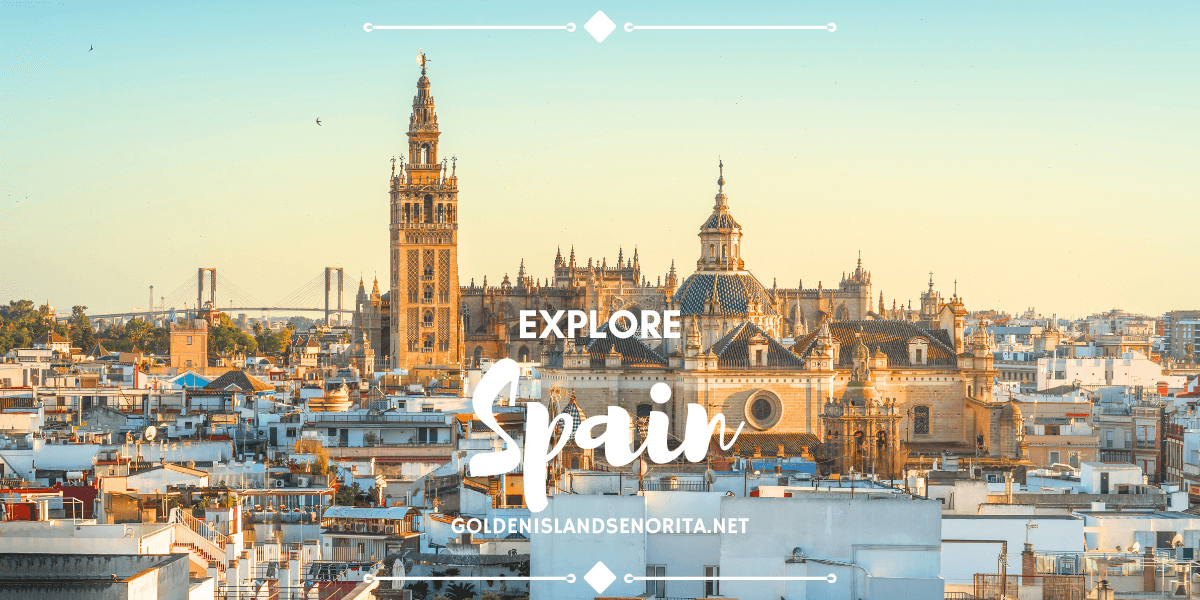
The country boasts a myriad of attractions, from the iconic Sagrada Familia in Barcelona to the historic Alhambra in Granada, the breathtaking beaches of the Costa del Sol to the picturesque countryside of Andalusia and the vibrant metropolis of Madrid, Spain has something to enthrall every traveler.
Apart from its cultural allure, Spain is celebrated for its mouthwatering cuisine, which includes delectable dishes like paella, tapas, and various regional specialties. The Spanish passion for life, known as “fiesta,” is evident in their lively celebrations, with vibrant carnivals, flamenco performances, and bullfighting being an integral part of the country’s cultural identity.
As one of the world’s top tourist destinations, Spain continues to welcome visitors from all corners of the globe, offering them an unforgettable experience filled with history, culture, gastronomy, and warm hospitality. Whether you’re seeking a relaxing beach vacation, an exploration of historical wonders, or an immersion into a vibrant and diverse culture, Spain promises to captivate your senses and leave you with cherished memories.

Visa Policy
Spain is a member of the Schengen Area, which means the entry rules depend largely on where you’re coming from:
Digital nomads and long-stay visitors: Spain now offers a Digital Nomad Visa (introduced in 2023) for remote workers who want to stay beyond 90 days. You’ll need to meet income requirements and apply before arrival.
EU/EEA citizens: No visa needed. Just bring a valid national ID or passport — you’re good to go.
US, UK, Canadian, Australian citizens: Visa-free for up to 90 days within any 180-day period for tourism or business. No pre-approval needed — just show up with a valid passport.
Filipino citizens (and many others): A Schengen visa is required. Apply at the Spanish Embassy or Consulate in your home country well in advance — at least 4 to 6 weeks before travel is my strong recommendation.
| 📌 Pro Tip: |
|---|
| Always check your passport’s validity before booking flights. Spain (and most Schengen countries) requires your passport to be valid for at least 3 months beyond your planned departure date. |
Travel Insurance
I never travel to Spain without comprehensive travel insurance, and I’d urge you to do the same. While Spain has an excellent public healthcare system, it’s not free for foreign visitors without reciprocal agreements. Medical costs — especially emergency hospital stays — can be very expensive.
Look for a policy that covers medical emergencies, trip cancellation, lost luggage, and ideally, evacuation. If you’re planning adventure activities — hiking in the Pyrenees, surfing in the Basque Country, or skiing in Sierra Nevada — make sure your policy explicitly covers those too.
| 💡 Note: |
|---|
| Holders of the European Health Insurance Card (EHIC) or Global Health Insurance Card (GHIC) get access to state healthcare in Spain on the same terms as Spanish residents. But this is not a replacement for full travel insurance — it won’t cover private care, repatriation, or non-medical emergencies. |
Geography
Location
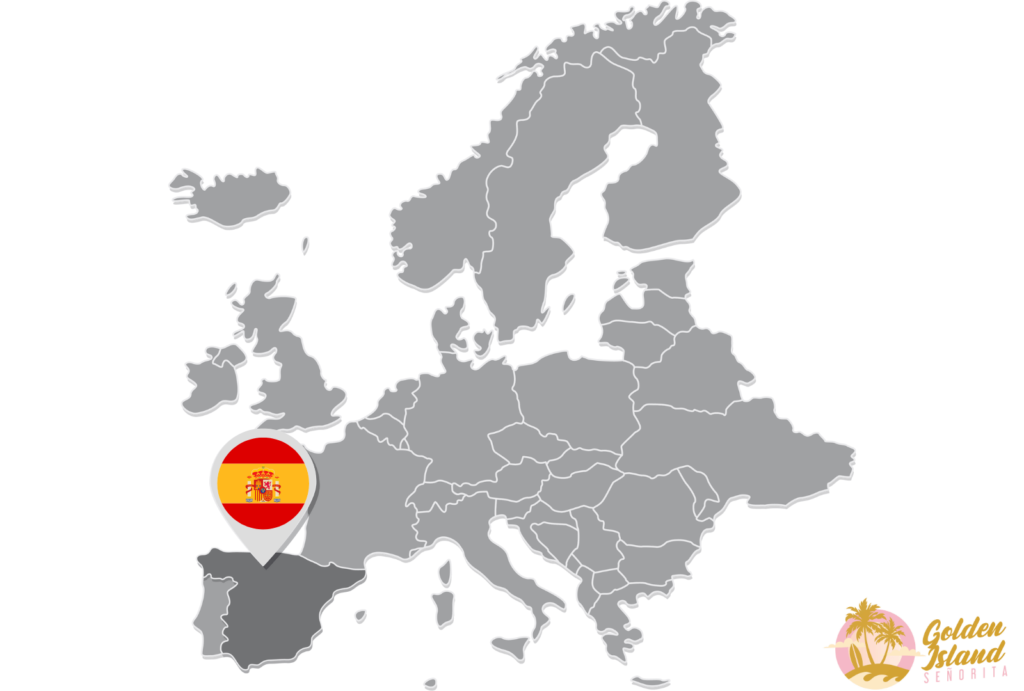
Spain sits on the Iberian Peninsula in southwestern Europe, bordered by Portugal to the west, France and Andorra to the north, and the Mediterranean Sea to the east and south. It shares a small land border with Gibraltar — a British Overseas Territory — at its southernmost tip. The Strait of Gibraltar, just 14 kilometres wide at its narrowest, is all that separates Spain from the African continent (Morocco).
Spain is the fourth-largest country in Europe by area, covering about 505,990 square kilometres. Beyond the mainland, it also includes the Balearic Islands (Mallorca, Ibiza, Menorca) in the Mediterranean, the Canary Islands off the northwest coast of Africa, and the autonomous cities of Ceuta and Melilla on the northern coast of Morocco.
Weather
Spain’s climate varies dramatically depending on where you are — and that’s one of its greatest charms. Here’s a quick breakdown:
- Mediterranean coast (Barcelona, Valencia, Costa del Sol): Hot, dry summers and mild, wet winters. Expect sunshine almost year-round.
- Central plateau (Madrid, Castile): A more continental climate — scorching summers (often 38°C+) and surprisingly cold winters. The Spanish say Madrid has ‘nueve meses de invierno y tres de infierno’ — nine months of winter and three of hell!
- Northern coast (Galicia, Basque Country, Asturias): Lush and green, with moderate temperatures and more rainfall. Think misty mornings and wild coastlines — this is Green Spain.
- Canary Islands: A year-round spring-like climate hovering between 18°C and 26°C. Perfect for a winter escape.
The best time to visit mainland Spain is generally April to June and September to October — you’ll get warm weather, manageable crowds, and much lower prices than peak summer.
Demographics
Language
Spanish — or Castilian (Castellano) — is the official national language, spoken by virtually everyone. But Spain is a country of languages, and regional tongues are very much alive and taken seriously:
- Catalan (Català): Spoken in Catalonia, Valencia (where it’s called Valencian), and the Balearic Islands. It’s co-official in those regions and very widely used in daily life.
- Basque (Euskara): Spoken in the Basque Country and Navarre. It’s a language isolate — completely unrelated to any other language in the world, making it famously difficult to learn.
- Galician (Galego): Spoken in Galicia in the northwest. It’s closely related to Portuguese.
English proficiency has grown significantly, especially in major cities and tourist areas. Young Spaniards in their 20s and 30s are often quite comfortable in English. That said, learning even a few Spanish phrases goes a long way. A simple ‘¡Hola!’ or ‘¿Habla inglés?’ will instantly warm any room.
Religion
Spain is historically and culturally a deeply Catholic country. The Catholic Church has shaped everything from the country’s stunning cathedrals to its public holidays and fiesta traditions. However, Spain today is officially a secular state, and church attendance has been declining for decades — particularly among younger generations.
In practice, you’ll find a very secular, liberal, and tolerant society in most urban areas. Spain was one of the first countries in the world to legalise same-sex marriage (2005). Religious festivals, however, remain enormously important — not just spiritually, but as cultural celebrations. Semana Santa (Holy Week) processions in Seville are among the most moving spectacles I’ve ever witnessed.
Infrastructure
Connectivity
Spain has excellent internet infrastructure. Free Wi-Fi is widely available in hotels, cafes, restaurants, and many public spaces. Mobile data is affordable, especially if you pick up a local SIM card. Major providers include Movistar, Vodafone, and Orange.
EU residents enjoy roaming-free data across Spain. Travellers from outside the EU should check if their home carrier offers an international data add-on, or simply grab a prepaid SIM at the airport or any phone shop — it’s quick and inexpensive.
Transportation
Spain’s transport network is genuinely impressive, and getting around is a real pleasure:
- High-Speed Rail (AVE): Spain has the most extensive high-speed rail network in Europe. Madrid to Barcelona takes just 2.5 hours; Madrid to Seville about 2.5 hours. Buy tickets in advance through RENFE’s website for the best prices.
- Local trains and Metro: Major cities like Madrid, Barcelona, Valencia, and Seville have excellent metro systems. Madrid’s metro is particularly large and easy to navigate.
- Buses: Long-distance buses (ALSA is the main operator) connect cities not on the rail network. They’re comfortable and very affordable — often cheaper than the train.
- Taxis & Rideshares: Taxis are metered and reliable in cities. Cabify and Uber also operate in major cities as alternatives.
- Renting a Car: Essential if you want to explore rural Spain — Andalusian villages, Extremadura, or the wine regions of Rioja. Roads are good and well-maintained.
| ✈️ Airports: |
|---|
| Madrid Barajas (MAD) and Barcelona El Prat (BCN) are the two main international hubs. Malaga, Alicante, Palma, and Bilbao also have solid international connections. |
Sockets and Adapters
Spain uses Type C and Type F (Schuko) plugs. The standard voltage is 230V and the frequency is 50Hz.
- UK visitors: You’ll need an adapter — UK plugs won’t fit Spanish sockets.
- US/Philippine visitors: You’ll need both an adapter and a voltage converter for older electronics (most modern laptops and phone chargers are dual-voltage — check the label).
- EU visitors: Your plugs should work without any adapter.
| 🔌Tip: |
|---|
| Pick up a universal travel adapter before you go. They’re cheap, compact, and will serve you across all of Europe. |
Culture and Society
Cuisine
Spanish food is one of the great joys of travel here — and it’s incredibly regional. What you eat in San Sebastián is worlds apart from what lands on your table in Seville. But everywhere you go, the ingredients are fresh, the flavours are bold, and the portions are generous.
Must-try dishes and foods on your Spain trip:
- Tapas: The cornerstone of Spanish food culture — small dishes meant for sharing. In some regions (especially Granada and Almería), tapas come free with your drink. In cities like Madrid, you’ll pay, but it’s worth every cent.
- Paella: The iconic rice dish from Valencia. Purists insist it should only be made with rabbit and chicken — seafood paella is a modern variation. Avoid tourist-trap restaurants advertising paella in coastal cities; seek out the real deal.
- Jamón Ibérico: Cured Iberian ham, cut paper-thin and served at room temperature. It’s a luxury ingredient — and worth every euro.
- Pintxos: The Basque version of tapas — little bites on bread, often displayed along bar counters. Go to San Sebastián for the world’s best pintxos crawl.
- Churros con chocolate: Fried dough sticks dipped in thick hot chocolate. Perfect for breakfast or a late-night snack after a long evening out.
- Tortilla española: A thick potato omelette — humble, delicious, and available everywhere.
| 🍷 Drinks: |
|---|
| Rioja and Albariño are two wines you must try. For something lighter, ask for a Tinto de Verano (red wine with lemon soda) or a cold Cava (Spanish sparkling wine). Beer (cerveza) is also excellent and very cheap. |
Tourism
Spain is the second most-visited country in the world (often neck-and-neck with France), welcoming over 85 million international tourists in peak years. Its tourism infrastructure is world-class, but that popularity also means you need to plan strategically to avoid crowds at the most iconic spots.
Top regions and highlights:
- Barcelona & Catalonia: Gaudí’s Sagrada Família and Park Güell, the Gothic Quarter, Montserrat monastery, and some of Spain’s best beaches.
- Andalusia: The Alhambra in Granada, Flamenco in Seville, the white villages (pueblos blancos) of the interior, and the sherry triangle of Jerez.
- Madrid: World-class art museums (Prado, Reina Sofía, Thyssen), vibrant nightlife, and day trips to Toledo and Segovia.
- The Basque Country & San Sebastián: Arguably the world’s best food city, dramatic coastline, and the iconic Guggenheim Museum in Bilbao.
- The Camino de Santiago: The ancient pilgrimage route — one of the world’s great walking journeys, ending at the cathedral in Santiago de Compostela.
- Balearic Islands: Mallorca for luxury and scenery, Ibiza for nightlife, Menorca for unspoilt beaches and peace.
Etiquette & Unwritten Rules
Knowing these will make a huge difference in how locals receive you:
- Greet properly: Spaniards greet friends and acquaintances with two kisses on the cheek (left cheek first) — this applies between men and women, and between women. Between men it’s typically a handshake. Don’t be surprised; just go with it.
- Be loud, be warm: Spaniards are expressive and animated in conversation. Don’t mistake passionate discussion for an argument. Silence can feel awkward — embrace the noise.
- Dress appropriately for churches: Cover your shoulders and knees when entering cathedrals and churches. Many will turn you away otherwise.
- Punctuality is… flexible: Dinner at 9pm is normal. Social events often start an hour ‘late’ by northern European standards. Relax and embrace Spanish time.
- Don’t rush your waiter: In Spain, the waiter will not bring your bill until you ask for it. This is intentional — you’re supposed to linger. When you’re ready, catch their eye and say ‘¡La cuenta, por favor!’
- Queue properly: Despite the relaxed pace of life, Spaniards do queue and expect others to as well. Cutting in line is considered rude.
- Learn a few words: Even a clumsy ‘Gracias’ (thank you) and ‘Por favor’ (please) will earn you enormous goodwill.
Sundays & Siesta Hours
Two things constantly surprise first-time visitors: how quiet Sundays can be, and how much of Spanish daily life still revolves around the midday break.
Siesta: In smaller towns and traditional businesses, shops close from roughly 2pm to 5pm for the siesta — the traditional midday rest period. This is less common in major cities and tourist areas, but don’t be caught off guard when you find a closed shop in the middle of the afternoon in a small town.
Sundays: Many independent shops, supermarkets, and businesses are closed on Sundays (or open reduced hours). Large shopping malls and tourist attractions generally stay open, but plan your grocery shopping and errands for weekdays or Saturday.
| 📅 Note: |
|---|
| National public holidays can also catch you off guard — on festivos, many businesses close entirely. Major ones include January 1 (New Year’s), January 6 (Epiphany — a bigger deal than Christmas for Spanish children), April 18 (Good Friday), August 15 (Assumption), October 12 (National Day), and December 25. |
Finance
Currency
Spain uses the Euro (€) as its currency, shared with most of the European Union. Notes come in denominations of 5, 10, 20, 50, 100, 200, and 500 euros; coins in 1, 2, 5, 10, 20, and 50 cents, plus €1 and €2 coins.
As of mid-2025, the exchange rate is approximately:
- 1 USD ≈ 0.92 EUR
- 1 GBP ≈ 1.18 EUR
- 1 PHP ≈ 0.016 EUR
Always check current rates before you travel, as these fluctuate. Avoid exchanging money at airport kiosks if you can — the rates are terrible. Banks, post offices, and dedicated exchange offices (casas de cambio) offer much better deals.
Card Payments
Spain is increasingly card-friendly. Visa and Mastercard are widely accepted at hotels, restaurants, large shops, and supermarkets. American Express has less coverage. In major cities, contactless payment (tap-to-pay) is the norm — just tap your card or phone and you’re done.
That said, always carry some cash. Small restaurants, markets, street vendors, and rural establishments often prefer — or only accept — cash. A good rule of thumb: have at least €20 to €50 on you at all times.
| 💳 Tip: |
|---|
| Use a travel debit card with zero foreign transaction fees (like Wise, Revolut, or Charles Schwab for US travellers) to avoid being charged extra every time you swipe. |
Tipping
Tipping in Spain is genuinely optional and never obligatory — unlike in the US, service charge is included in restaurant prices by law. That said, it’s appreciated, especially for good service. Here’s what’s typical:
- Restaurants: Round up the bill, or leave 5–10% for good service. Locals often leave just the small coins.
- Bars and cafes: Rounding up the change (a few cents to €1) is perfectly fine.
- Taxis: Round up the fare — it’s not expected, but appreciated.
- Hotels: €1–2 per bag for porters; a few euros left for housekeeping at the end of your stay.
Don’t feel pressured to tip generously — Spaniards don’t, and service staff don’t expect it. A heartfelt ‘Muchas gracias’ goes just as far.
Banks and ATMs
ATMs (cajeros automáticos) are easy to find across Spain — in city centres, shopping malls, petrol stations, and even small towns. Major banks include CaixaBank, Banco Santander, BBVA, Sabadell, and ING.
Tips for using ATMs in Spain:
- Always choose to be charged in Euros (not your home currency) at the ATM. Dynamic currency conversion — where the machine offers to charge you in your home currency — almost always involves a terrible exchange rate.
- Some Spanish ATMs charge a usage fee (typically €2–4) for foreign cards. Banco Santander and CaixaBank tend to be more foreigner-friendly in terms of fees.
- Withdraw larger amounts less frequently to minimise per-transaction fees.
- Notify your bank before travel that you’ll be using your card in Spain — otherwise, they may flag and freeze your account as a fraud precaution.
| 🏦 Safety: |
|---|
| Use ATMs attached to bank branches during business hours where possible. Avoid standalone ATMs in dark or isolated areas at night. |
Final Thoughts
Spain is one of those countries that never stops surprising you. No matter how many times I’ve been, there’s always a new corner to discover, a new dish to try, a new city square where life is lived loudly and joyfully. Go with an open mind, a flexible schedule, and a healthy appetite — for food, for culture, for connection. Spain will do the rest.