

When I first set foot in Fatima, Portugal, I wasn’t quite sure what to expect. For years, I had heard stories about this small town being one of the most significant Catholic pilgrimage sites in the world. As someone who grew up in a Catholic household, this Portuguese town was always mentioned with reverence—almost like it was more of a spiritual idea than a real place.
Finally being there, walking along its peaceful streets and standing before the grand basilicas, felt like stepping into both history and faith. But beyond its spiritual pull, Fatima turned out to be a charming town with layers of culture, food, and day-trip opportunities that make it worth a visit for believers and non-believers alike.
This guide is my attempt to share not only the practical travel details you’ll need but also my personal impressions of Fatima—the good, the surprising, and the quietly moving moments.
Getting Acquainted With Fatima, Portugal
When I first visited Fatima, I honestly expected it to be a one-dimensional pilgrimage town—solely focused on the apparitions and religious tourism. But spending more time there revealed layers of history, culture, and local life that made me appreciate it in a much deeper way. It’s a place where faith meets everyday life, and where visitors (whether spiritual or not) can find something to connect with.
Brief History
Fatima’s journey into prominence began in the early 20th century with a series of miraculous apparitions witnessed by three shepherd children: Lúcia Santos and her cousins, Francisco and Jacinta Marto. The first of these supernatural events occurred on May 13, 1917, when the Virgin Mary appeared to the children, delivering messages of peace, repentance, and prayer for the world. Over subsequent months, these visions continued, drawing increasing numbers of believers to the site.
In response to the apparitions, Fatima evolved into a major pilgrimage site, culminating in the construction of the Sanctuary of Our Lady of Fatima. This sanctuary, with its impressive Basilica of Our Lady of the Rosary and the revered Chapel of the Apparitions, remains the focal point of devotion for millions of Catholics worldwide. Today, visitors to this Portuguese town can explore these sacred landmarks, immerse themselves in the town’s rich history, and witness firsthand the enduring spiritual legacy that continues to define this tranquil Portuguese town.
Geography and Landscape
Geographically, Fatima is tucked into the Santarém District in central Portugal, about 125 kilometers north of Lisbon. Sitting on the Serra de Aire plateau, the town is surrounded by rolling hills, limestone formations, and olive groves that shimmer in the sun.
What struck me most was how serene the landscape felt—there’s something grounding about seeing rows of olive trees against a backdrop of open sky. The air is crisp, especially in the mornings, and if you wander just a bit outside the town center, you’ll find scenic trails and quiet spots perfect for reflection or photography.
Culture and Local Lifestyle
Life in Fatima feels unhurried. Locals tend to rise early, enjoy long lunches, and close their shops in the afternoon for a rest before reopening in the evening. Religion naturally plays a big role here—candle processions, pilgrim gatherings, and feast days are woven into the rhythm of daily life.
But there’s also a warmth and friendliness that you can sense almost immediately. People here are used to visitors from around the globe, so there’s a hospitality that feels genuine, not commercial. I had several moments when locals offered directions, restaurant tips, or simply asked where I was from with sincere curiosity.
Demographics and Atmosphere
Fatima has a population of around 11,000 people, which might surprise you given its global reputation. It’s essentially a small town with an international personality. On an average day, you’ll see locals shopping at the market, children heading to school, and elders sitting in cafés chatting over espresso.
During pilgrimage dates in May and October, however, the town transforms—hundreds of thousands of pilgrims arrive, and the atmosphere becomes electric. Even if crowds aren’t your thing, it’s moving to witness that sense of collective devotion. Off-season, this Portuguese town is quiet and contemplative, offering a completely different experience.
Language and Communication
Portuguese is the official language, but in Fatima you’ll often hear English, Spanish, Italian, and even Polish. Thanks to the steady stream of international pilgrims, many locals—especially those working in hospitality, shops, and the sanctuary—speak multiple languages.
Still, I always like learning a few basics in the local tongue. A simple “Bom dia” (good morning) or “Obrigado/a” (thank you) goes a long way. I noticed smiles instantly when I greeted someone in Portuguese, even if the conversation switched to English afterward.
Economy and Local Specialties
The economy of Fatima revolves largely around religious tourism. Pilgrimages bring in millions of visitors annually, supporting hotels, restaurants, souvenir shops, and transportation services. That said, agriculture—particularly olive oil production—still plays a role in the surrounding area.
When it comes to local specialties, Fatima offers handcrafted religious items, rosaries, and candles that pilgrims often buy to take home. Food-wise, olive oil, cheeses, and wines from the central Portugal region are worth sampling. I still remember buying a small bottle of golden, peppery olive oil from a family-owned shop—easily one of my favorite souvenirs.
Key Attractions Preview
While the Sanctuary of Our Lady of Fatima is undoubtedly the crown jewel, the town offers more than just religious landmarks. A few highlights to get you excited:
- The Basilica of the Rosary and Basilica of the Holy Trinity – stunning examples of religious architecture.
- Chapel of the Apparitions – the very heart of Fatima’s story.
- Via Sacra and Valinhos – walking routes through the countryside, dotted with small chapels.
- Wax Museum of Fatima – quirky but surprisingly engaging.
- Local markets and cafés – where you can mingle with residents and taste regional delicacies.
These attractions reflect both the spiritual and everyday sides of this Portuguese town, and together they make the town more than just a pilgrimage stop.
Where is Fatima, Portugal?
Fatima is located in central Portugal, about 125 kilometers (78 miles) north of Lisbon. By car, the journey takes around an hour and a half, making it an easy side trip from the capital. Alternatively, you can hop on a bus from Lisbon’s Sete Rios bus terminal, which drops you off within walking distance of the Sanctuary of Fatima.
Because of its central location, this Portuguese town also makes a convenient base for exploring surrounding towns like Batalha, Alcobaça, and Tomar—all rich in history and culture.
Best Time to Visit
Timing your visit can completely change your experience. May and October are the busiest months because they mark the anniversary dates of the apparitions. These periods bring large crowds of pilgrims, candlelit processions, and an energy that feels both solemn and celebratory.
If you prefer a quieter visit, aim for the spring months of March to April or September. The weather is mild, accommodations are easier to book, and you’ll have more time to linger without feeling rushed by crowds. I personally visited in late September, and it was perfect—warm days, cool evenings, and fewer tour groups crowding the basilica.
Do You Need a Visa to Travel to Portugal?
If you’re a traveler from the EU, Schengen Area, the U.S., Canada, or many other countries, you don’t need a visa for short stays (up to 90 days). However, starting in 2025, travelers from visa-exempt countries will need to register with the ETIAS system before entry. Always check the latest requirements from your local Portuguese embassy or consulate before booking.
Get A Travel Insurance with SafetyWing – Nomad Insurance
Travel insurance is one of those things you don’t think about until you really need it. While Portugal is generally safe, it’s always wise to be covered for unexpected events—medical emergencies, lost luggage, or trip cancellations. I personally recommend SafetyWing Nomad Insurance. It’s budget-friendly, flexible, and perfect for people like me who travel often. Having it gave me peace of mind throughout my stay in this Portuguese town.
Places to Explore in Fatima, Portugal


- Sanctuary of Our Lady of Fatima – The heart of the town, this vast religious complex includes the Basilica of Our Lady of the Rosary and the Basilica of the Holy Trinity. Even if you’re not religious, the architecture and scale of the site are awe-inspiring.
- Chapel of the Apparitions – Built on the exact spot where the Virgin Mary is said to have appeared, this humble chapel is often filled with flowers, candles, and quiet prayers.
- Via Sacra and Valinhos – A scenic walking path that retraces the steps of the shepherd children, with small chapels along the way. It’s both meditative and beautiful, surrounded by olive groves.
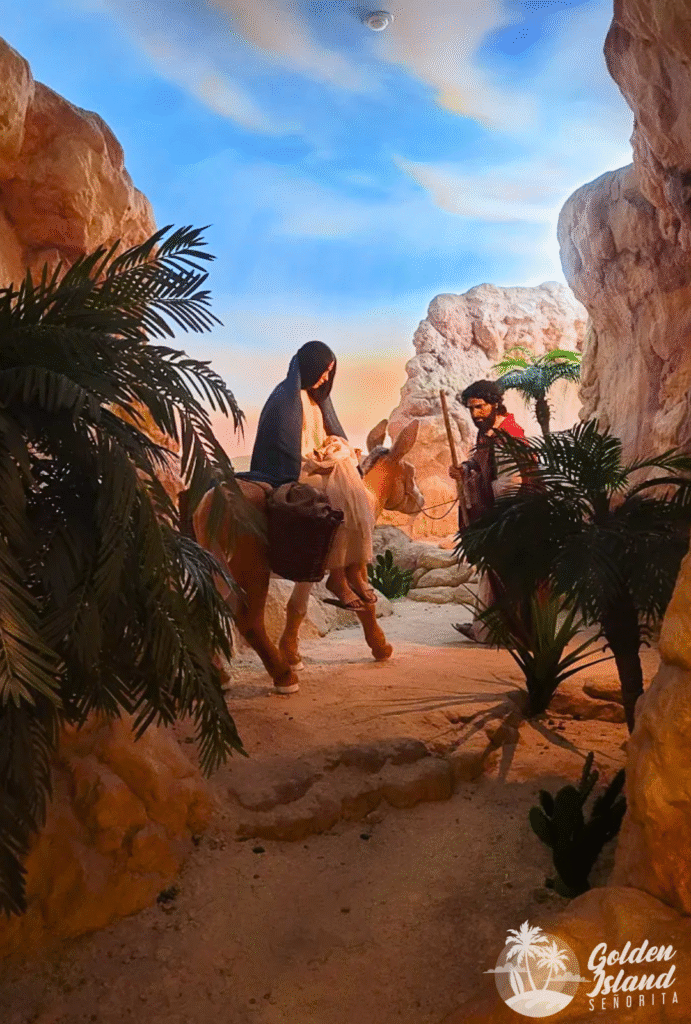
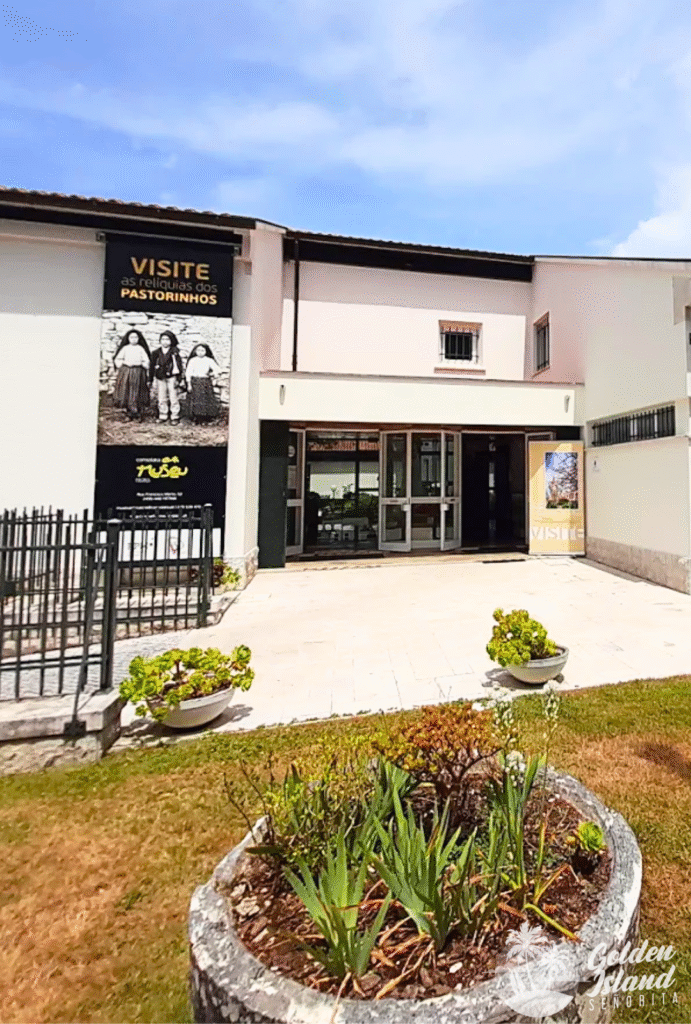
- Fatima Wax Museum – A surprisingly detailed museum that brings the story of the apparitions to life through wax figures. It’s a unique way to engage with history.
- Museum of Sacred Art and Ethnology – Offers insight into not just this Portuguese town but global Catholic traditions, showcasing art, artifacts, and ethnographic collections.
Food To Try in Fatima, Portugal
Portugal is a country that celebrates food, and Fatima is no exception. After long walks around the sanctuary, I found myself hungry enough to try everything I could get my hands on.
- Bacalhau à Brás – A shredded codfish dish mixed with onions, potatoes, and eggs. Comfort food at its finest.
- Leitão da Bairrada – A nearby specialty, this roast suckling pig is crispy on the outside, juicy on the inside, and a must-try for meat lovers.
- Caldo Verde – A traditional soup made with potatoes, kale, and chouriço sausage. Perfect for cool evenings.
- Pastéis de Nata – These famous custard tarts are available everywhere, and in this Portuguese town, you’ll often find bakeries putting their own twist on them.
I recommend eating at small family-run restaurants where meals are not only delicious but also come with warm hospitality that makes you feel at home.
Insider Tips and Recommendations
- Plan Ahead: If you’re visiting during peak times, especially in May and October, consider booking accommodations in advance to avoid any last-minute hassles.
- Dress Respectfully: As Fatima is a pilgrimage site, it’s important to dress modestly when visiting the sanctuary and chapels.
- Wear comfortable shoes: Fatima involves a lot of walking, especially if you plan to do the Via Sacra.
- Participate in Mass: Joining a mass service at the sanctuary can be a profound experience, even if you’re not religious. The atmosphere is incredibly moving, especially during the candlelight processions.
- Try to attend an evening candlelight procession—it’s an unforgettable sight.
- Local Tours: Consider joining guided tours to learn more about the history and significance of this Portuguese town. Many local companies offer insightful tours that can enhance your understanding of the area.
Day Trips from Fatima, Portugal
Fatima is centrally located, making it a perfect base for exploring nearby attractions. Here are some great day trip options:
- Batalha Monastery: A UNESCO World Heritage Site, this stunning monastery is just a short drive from this Portuguese town and features beautiful Gothic architecture.
- Nazaré: Famous for its giant waves and surfing culture, Nazaré is a charming coastal town where you can relax by the beach and enjoy fresh seafood.
- Obidos: A medieval walled town filled with narrow cobblestone streets, shops, and cafes. Obidos is known for its cherry liqueur, Ginjinha, served in chocolate cups.
- Coimbra: Home to one of the oldest universities in Europe, Coimbra boasts beautiful architecture, stunning gardens, and a rich history.
- Lisbon: The vibrant capital city is only about an hour and a half away, making it easy to explore its historic neighborhoods, museums, and lively markets.
- Alcobaça Monastery – Another UNESCO gem, housing the tragic tombs of King Pedro and Inês de Castro.
- Tomar – The former headquarters of the Knights Templar in Portugal, filled with medieval charm and history.
Practical Information and Insider Tips
Currency and Payments
Portugal uses the Euro (€) as its currency. Credit and debit cards are widely accepted in most establishments, but it’s advisable to carry some cash for small purchases, especially in markets or smaller cafes.
Language
The official language in Portugal is Portuguese. While many locals in this Portuguese town speak English, particularly in tourist areas, learning a few basic Portuguese phrases can enhance your experience and show respect for the local culture.
Transportation
Fatima is easily walkable, and most attractions are within a short distance of each other. If you’re traveling from other cities, consider taking a bus or train for convenience. Car rentals are also available if you wish to explore the surrounding areas at your own pace.
Accommodation
Fatima offers various accommodation options, from budget-friendly hostels to mid-range hotels and luxurious retreats. Consider staying close to the sanctuary for easy access to the main attractions.
Dining
In addition to trying local dishes, explore Fatima’s cafes and bakeries for traditional pastries and snacks. Many restaurants offer set menus, allowing you to sample multiple dishes at a reasonable price.
Health and Safety
Fatima is generally a safe destination for travelers. However, it’s always wise to stay aware of your surroundings and take standard precautions, such as securing your belongings and avoiding poorly lit areas at night. Don’t forget to check if you need any vaccinations before traveling.
Basic Portuguese Phrases
Basic Greetings & Politeness
- Olá – Hello (oh-LAH)
- Bom dia – Good morning (bohm DEE-ah)
- Boa tarde – Good afternoon (BOH-ah TAR-deh)
- Boa noite – Good evening / Good night (BOH-ah NOY-teh)
- Adeus – Goodbye (ah-DEH-oosh)
- Por favor – Please (pohr fah-VOHR)
- Obrigado / Obrigada – Thank you (oh-bree-GAH-doo / dah)
(Men say “obrigado,” women say “obrigada.”) - De nada – You’re welcome (deh NAH-dah)
Where to Stay
- Hotel Santa Maria: A comfortable hotel located just a short walk from the sanctuary, offering modern amenities and a cozy atmosphere.
- Dom Gonçalo Hotel & Spa: This hotel features a spa and wellness center, perfect for relaxing after a day of exploring. It’s also close to the main attractions.
- Hotel Fatima: Located near the sanctuary, this hotel offers great value for money, with clean rooms and friendly staff.
- Hostel Fatima: If you’re traveling on a budget, this hostel is a fantastic option. It provides a welcoming atmosphere and is conveniently located.
More Activities
If you have extra time, consider:
- Attend Religious Events: If you’re in town during a significant religious celebration, be sure to participate. These events offer a unique insight into the local culture and spirituality.
- Explore Nature: The surrounding countryside is beautiful, with many walking trails and parks for nature lovers to enjoy.
- Visit Local Shops: Don’t miss the opportunity to browse local shops for souvenirs, religious items, and handmade crafts.
- Visiting the Grutas da Moeda, a fascinating limestone cave system just a short drive from town.
Final Thoughts
My trip to Fatima was more than just a tick on my travel list—it was an experience that touched both my curiosity and my spirit. Whether you come here as a pilgrim or as a traveler hungry for history and culture, this Portuguese town will leave an impression. The town is a blend of sacred traditions and Portuguese hospitality, where faith and everyday life intersect seamlessly.
If you’re planning a trip to Portugal, don’t overlook this Portuguese town. Spend at least a day, maybe two, and give yourself the chance to walk its quiet paths, taste its hearty food, and soak in the energy of one of the world’s most iconic pilgrimage sites.
I left Fatima with a full heart, a deeper appreciation for Portugal’s culture, and, of course, a few extra pounds from all the bacalhau and pastries. And honestly? I’d go back in a heartbeat.
Sources:
- Sanctuary of Our Lady of Fatima. (n.d.). Retrieved from https://www.sanctuary.fatima.pt
- Lonely Planet. (n.d.). Fatima Travel Guide. Retrieved from https://www.lonelyplanet.com/portugal/fatima
- Visit Portugal. (n.d.). Retrieved from https://www.visitportugal.com
- National Geographic. (n.d.). Fatima. Retrieved from https://www.nationalgeographic.com/travel/destinations/europe/portugal/fatima
- Rick Steves’ Europe. (n.d.). Fatima. Retrieved from https://www.ricksteves.com/europe/portugal/fatima
- Fodor’s Travel. (n.d.). Fatima. Retrieved from https://www.fodors.com/world/europe/portugal/fatima
- The Culture Trip. (n.d.). Fatima, Portugal: A Complete Travel Guide. Retrieved from https://theculturetrip.com/europe/portugal/articles/a-complete-travel-guide-to-fatima-portugal/
- Portugal News. (n.d.). Fatima Pilgrimage. Retrieved from https://www.theportugalnews.com/news/fatima-pilgrimage/53067
- TripAdvisor. (n.d.). Things to Do in Fatima. Retrieved from https://www.tripadvisor.com/Tourism-g189157-Fatima_Leiria_District_Central_Portugal-Vacations.html
- Frommer’s. (n.d.). Fatima. Retrieved from https://www.frommers.com/destinations/fatima
- BBC Travel. (n.d.). Fatima. Retrieved from https://www.bbc.com/travel/article/20200724-fatima-a-place-of-peace-and-pilgrimage
- Portugal Insider. (n.d.). Fatima Travel Guide. Retrieved from https://www.portugalinsider.com/fatima
- Expedia. (n.d.). Fatima Overview. Retrieved from https://www.expedia.com/Fatima.d6047332.Destination-Travel-Guides
- Booking.com. (n.d.). Fatima Hotels and Accommodations. Retrieved from https://www.booking.com/city/pt/fatima.html
- Travel + Leisure. (n.d.). What to Know Before Visiting Fatima. Retrieved from https://www.travelandleisure.com/travel-guide/fatima
