
Your Ultimate Thailand Travel Guide 2026: Everything You NEED to Know Before You Go!
I still remember the moment I stepped out of Suvarnabhumi Airport for the first time — the wall of warm, humid air, the distant smell of jasmine garlands from a street vendor, and the unmistakable hum of a city that never truly sleeps. Thailand had me at hello.
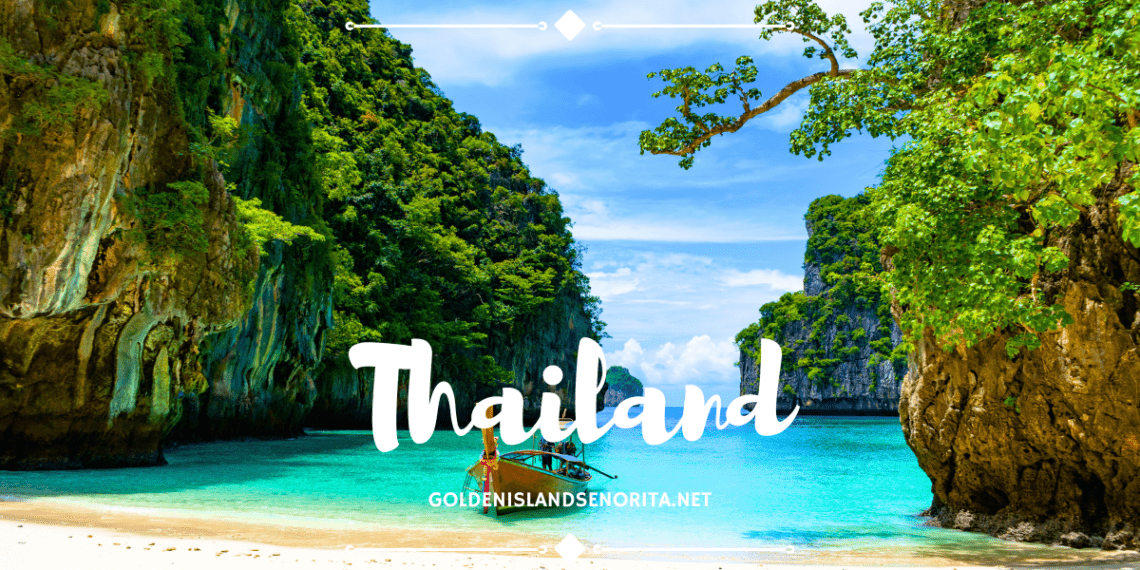
Known affectionately as the “Land of Smiles,” Thailand is one of Southeast Asia’s most rewarding travel destinations, and for good reason. Whether you’re dreaming of jade-green islands fringed with powder-soft sand, ancient temples draped in gold, chaotic and delicious night markets, or jungle treks that leave your legs aching and your soul full — Thailand delivers all of it, and then some. It welcomes over 35 million international visitors a year, yet somehow still manages to feel like a place where genuine discovery is possible around every corner.
This guide is my honest, practical, first-hand distillation of everything you need to know before you go, from navigating visa rules and plugging in your hairdryer to tipping etiquette and the unwritten rules that will keep you out of trouble. Think of it as the advice of a well-traveled friend who wants you to have the best possible trip.
Let’s get into it.

Travel Essentials for Visitors
Visa Policy
The good news: Thailand is one of the most accessible countries in the world when it comes to entry. As of 2024, citizens of over 60 countries — including the United States, the United Kingdom, Australia, most of the European Union, Canada, and Japan — qualify for a visa exemption on arrival, allowing stays of 30 days (extendable once at an immigration office for another 30 days, for a fee of around 1,900 THB).
If you’re planning a longer trip, you have a few solid options:
- Tourist Visa (TR): Issued at a Thai embassy or consulate before you travel. It grants an initial 60-day stay, extendable by 30 days inside Thailand. Apply in your home country or at a Thai consulate in a neighboring country if you’re already traveling the region.
- Thailand Destination Card (formerly the Thailand Elite Visa): A premium long-stay visa program for those looking to spend extended periods. It comes at a significant cost but grants multi-year privileges.
- LTR Visa (Long-Term Resident): Introduced in 2022, this visa targets wealthy retirees, digital nomads (termed “Work-from-Thailand professionals”), and remote workers. Requirements and benefits vary by category.
One practical tip: Thailand has historically been fairly relaxed about the “visa run” — popping across a land border briefly and re-entering to reset your exemption period. However, immigration rules have tightened in recent years, and doing this multiple times consecutively can raise flags. If you’re staying long-term, get the right visa from the start and save yourself the stress.
Always check the latest rules at the official Thai Immigration Bureau website (immigration.go.th) or your nearest Thai embassy, as policies evolve regularly.
Travel Insurance
I cannot stress this enough: do not travel to Thailand without travel insurance. Full stop.
Thailand has excellent private hospitals — places like Bumrungrad International in Bangkok are genuinely world-class — but they are expensive. A serious accident, snake bite, motorbike injury (heartbreakingly common among tourists), or medical evacuation can generate bills running into tens of thousands of dollars. A solid travel insurance policy costs a fraction of that.
Look for a policy that covers:
- Medical expenses and hospitalization (minimum USD $100,000 coverage recommended)
- Emergency evacuation
- Trip cancellation and interruption
- Adventure activities, if you’re planning scuba diving, zip-lining, motorbike riding, or trekking
Providers like World Nomads, SafetyWing, and Allianz are popular among long-term travelers to Thailand. Read the fine print carefully — some policies exclude motorbike accidents unless you hold a valid international motorcycle license.
Geography
Location
Thailand sits at the heart of mainland Southeast Asia, sharing borders with Myanmar to the north and west, Laos to the north and northeast, Cambodia to the east, and Malaysia to the south. The country spans approximately 513,120 square kilometers, making it roughly the size of France.
What makes Thailand’s geography so exciting for travelers is its sheer variety. The north is defined by forested mountains and cool highland valleys — this is the land of Chiang Mai, hill tribe communities, and elephant sanctuaries. The northeast (known as Isan) is a vast, flat plateau with a culture distinctly its own, more closely related to neighboring Laos. The central plains fan out around Bangkok and the Chao Phraya River basin — the agricultural heartland that has fed Thailand for centuries. Head south and the country narrows into a long peninsula sandwiched between the Gulf of Thailand to the east and the Andaman Sea to the west, dissolving eventually into over 1,400 islands.
The two coastlines are worth understanding before you book: the Gulf of Thailand side (Koh Samui, Koh Phangan, Koh Tao) and the Andaman Sea side (Phuket, Krabi, Koh Lanta) have different monsoon seasons, which matters enormously when you’re planning around beach time.
Weather
Thailand has three seasons, though “season” is a generous word in a tropical country where “cool” means 25°C:
- Cool Season (November–February): This is peak travel time, and for good reason. Temperatures are relatively mild (24–32°C in Bangkok, cooler in the north), humidity drops, and skies are blue. It’s the best time to visit almost everywhere. Book accommodation early and expect higher prices.
- Hot Season (March–May): Temperatures climb aggressively — Bangkok can hit 40°C, and it feels like it. The north suffers from smoke haze during burning season. Beaches are still mostly sunny, and you’ll find thinner crowds and lower prices. Stay hydrated, dress light, and embrace the pace of life.
- Rainy/Monsoon Season (June–October): The southwest monsoon sweeps across the country. Rain tends to come in short, heavy bursts rather than all-day downpours, and many days are still beautiful. This is lush, green, photogenic Thailand. The Andaman coast (Phuket, Krabi) bears the brunt of the monsoon, while the Gulf side (Koh Samui) gets its rains later, from October to December. Prices are low, crowds are thin, and the waterfalls are spectacular.
My personal favorite? The shoulder months of November and early March — the light is golden, the air is breathable, and you can still find a sunlounger without elbowing anyone.
Demographics
Language
Thai is the official language, written in its own beautiful and fiendishly difficult script. It is a tonal language with five tones, meaning that the same syllable spoken in different tones carries completely different meanings. Don’t panic — you don’t need to learn Thai to have a wonderful trip, but learning even a handful of phrases will earn you outsized warmth and laughter from locals.
A few essentials:
- Sawasdee krap / ka — Hello (krap for men, ka for women)
- Khob khun krap / ka — Thank you
- Mai pen rai — Never mind / No worries (you’ll use this constantly)
- Aroi mak — Very delicious
English is widely spoken in tourist areas, hotels, and among younger Thais in cities. Outside tourist zones — especially in rural areas and Isan — you may need gestures, Google Translate, or the universal language of smiling and pointing.
Religion
Thailand is a deeply Buddhist nation, with approximately 95% of the population identifying as Theravada Buddhist. Buddhism here is not just a religious affiliation — it permeates daily life, architecture, cuisine, calendar, and the general Thai worldview. You’ll see saffron-robed monks collecting alms in the early morning, spirit houses (san phra phum) outside almost every building, and temple complexes that serve as genuine community hubs.
There is also a significant Muslim minority, particularly in the southernmost provinces bordering Malaysia, where mosques are as common as temples and halal food is readily available.
For visitors, understanding the centrality of Buddhism to Thai culture isn’t just interesting — it’s practically useful. It explains the dress code at temples, the reverence for the monarchy, and the general emphasis on maintaining face and social harmony.
The Thai royal family commands profound respect, and this is backed by strict lèse-majesté laws (Section 112 of the Criminal Code). Speaking disparagingly about the king or royal family — even casually — can result in serious legal consequences. This is not the place for political jokes.
Infrastructure
Connectivity
Thailand’s digital infrastructure has improved dramatically over the past decade. 4G LTE coverage is excellent in cities and most tourist destinations. 5G is rolling out steadily in Bangkok and major urban centers. Free Wi-Fi is available in the vast majority of hotels, cafes, shopping malls, and restaurants.
For data on the go, I always recommend picking up a local SIM card at the airport upon arrival — it’s easy, affordable, and the booths are right there in the arrivals hall. The three main carriers are AIS, DTAC, and True Move H. Tourist SIM packages with generous data allowances (15–30 GB) typically run between 300–600 THB for 7–30 days. eSIM options are also increasingly available for those who prefer not to swap physical cards.
Transportation
Getting around Thailand is one of the genuine pleasures of traveling here — the options are varied, generally affordable, and often surprisingly comfortable.
Within Bangkok:
- The BTS Skytrain and MRT subway are your best friends for navigating the city efficiently and staying out of Bangkok’s notorious traffic. Download the Rabbit LINE Pay app for seamless ticketing.
- Grab (Southeast Asia’s Uber equivalent) is reliable, metered, and air-conditioned. Far less stressful than negotiating with tuk-tuk drivers who may have a cousin’s shop they’d love to take you to first.
- River boats on the Chao Phraya are underrated — scenic, fast, and cheap.
Between cities:
- Domestic flights are remarkably affordable. Airlines like AirAsia, Nok Air, and Thai Lion Air run frequent routes between Bangkok, Chiang Mai, Phuket, Koh Samui, and Krabi. Book in advance for the best fares.
- Overnight trains are a romantic and practical way to travel between Bangkok and Chiang Mai or Bangkok and the south. Book berths through the State Railway of Thailand website (railway.co.th). First and second-class sleepers are comfortable and arrive in the morning — saving you a night’s accommodation.
- VIP buses are a solid budget option for many routes, often running overnight with reclining seats, blankets, and a snack.
- Ferries and speedboats connect the southern islands. Check seasonal schedules carefully, especially during monsoon.
Sockets and Adapters
Thailand uses 220V / 50Hz electricity. The official standard socket is Type A and B (two flat pins, sometimes with a round earth pin), but you’ll also commonly find Type C (two round pins, European style) outlets, and many modern sockets accept both. In practice, most hotels have universal sockets that accept a wide range of plug types.
If you’re traveling from North America, bring or buy a voltage adapter if your devices don’t support dual voltage (check the label — most modern electronics like laptops, phone chargers, and cameras do). A universal travel adapter is always worth packing, especially in older guesthouses where the outlet selection can be unpredictable.
Culture and Society
Cuisine
Thai food is, without hyperbole, one of the greatest culinary traditions on earth, and eating your way through Thailand is reason enough to visit. The cuisine is a masterclass in balance — sweet, sour, salty, spicy, and umami all present in every dish.
Street food is the soul of Thai eating. A bowl of pad see ew or khao man gai from a street cart is often better than what you’ll find in a restaurant, and costs a fraction of the price. Don’t be shy about eating where the locals eat — busy stalls with high turnover are a sign of quality, not a hygiene risk.
Regional variation is remarkable. Northern Thai food (like khao soi, a rich coconut curry noodle soup) is distinct from the bold, fiery flavors of Isan (like som tum, green papaya salad, and grilled meats), which are in turn different from the seafood-heavy southern cuisine or the refined royal dishes of Bangkok.
Vegetarians and vegans are reasonably well-catered for — look for “jay” (เจ) signs, indicating vegan-friendly food. However, be aware that fish sauce and shrimp paste are deeply embedded in Thai cooking and may sneak into dishes that seem plant-based.
Tourism
Thailand’s tourism industry is mature, well-developed, and built to accommodate travelers at every budget level. You’ll find everything from luxury resorts to ฿150/night guesthouses, from Michelin-starred restaurants to ฿40 street meals.
The classic tourist trail hits Bangkok (temples, street food, nightlife), Chiang Mai (culture, trekking, elephant sanctuaries — choose ethical ones), the northern hill country, the southern islands, and the ancient city of Ayutthaya. Beyond these, Thailand rewards those who venture off the beaten path: the misty mountains of Mae Hong Son, the karst landscapes of Pai, the unspoiled islands of the Trang Archipelago, and the Isan heartland.
One important note on elephant tourism: choose sanctuaries where you can observe and feed elephants without riding them. Riding elephants is harmful to the animals. Reputable sanctuaries prioritize ethical care — places like Elephant Nature Park in Chiang Mai are wonderful.
Etiquette and Unwritten Rules
Thailand operates on a strong code of social conduct, and while Thais are gracious and forgiving of genuine ignorance, a little cultural awareness goes a long way:
- The Wai: The traditional greeting — palms pressed together, a slight bow. You don’t need to initiate this with everyone (Thais won’t expect it from foreigners), but returning a wai is always appreciated.
- Remove shoes: Before entering temples, and often people’s homes. If you see shoes at the door, take yours off.
- Dress modestly at temples: Cover shoulders and knees — both men and women. Sarongs are usually available to borrow at major temples. The Grand Palace is strict about this.
- Don’t touch heads: The head is considered the most sacred part of the body. Don’t pat children or adults on the head, even affectionately.
- Point with your whole hand, not a finger: Pointing a single finger at a person is considered rude.
- Keep calm: Losing your temper or raising your voice in public is deeply shameful in Thai culture. It won’t get you what you want — it will get you a polite wall of resistance. Stay cool.
- The three pillars of Thai respect: Nation, Religion, Monarchy. All three are sacred. Treat them accordingly.
Sundays and Business Hours
Thailand doesn’t have a strict “siesta” culture like some Mediterranean countries, but there is a rhythm to be aware of. Most businesses, markets, and restaurants operate 7 days a week — Sunday is not a day of closure in the way it might be in Europe. However, government offices and banks follow weekday hours (Monday–Friday, roughly 8:30am–4:30pm), and some smaller businesses in quieter towns may close on Monday or Wednesday rather than Sunday.
Buddhist holy days (Wan Phra, which occur on lunar calendar cycles) are observed by devout Thais — some restaurants, especially in more traditional areas, won’t serve alcohol on these days. It’s worth noting around major Buddhist holidays like Visakha Bucha and Makha Bucha when alcohol sales may be restricted nationwide.
Finance
Currency
Thailand’s currency is the Thai Baht (THB, ฿). As a rough guide, 1 USD ≈ 35–36 THB (always check the current rate before you travel). Notes come in denominations of 20, 50, 100, 500, and 1,000 baht. Coins cover 1, 2, 5, and 10 baht.
Cash remains king across much of Thailand, especially at markets, street food stalls, tuk-tuks, and smaller guesthouses. Always carry a reasonable amount of baht on you — don’t rely solely on card.
Card Payments
Credit and debit cards (Visa and Mastercard) are accepted at most hotels, upscale restaurants, shopping malls, and larger tourist businesses. American Express has more limited acceptance. Contactless payments are growing, particularly in Bangkok.
Beware of Dynamic Currency Conversion (DCC): when paying by card, you’ll sometimes be asked whether you want to pay in Thai Baht or your home currency. Always choose Thai Baht — the conversion rate offered in your home currency is almost always unfavorable. Let your own bank do the conversion.
Tipping
Tipping is not deeply embedded in Thai culture the way it is in the United States, but it is appreciated and increasingly expected in tourist areas:
- Restaurants: A 20–50 THB tip on a modest meal is generous and appreciated. At nicer restaurants, 10% is fine. Many upscale restaurants add a 10% service charge automatically — check the bill.
- Street food / market stalls: No tipping expected, but rounding up is kind.
- Massage: Tip your masseuse 50–100 THB on top of the session price. They work hard.
- Taxis / Grab: Rounding up or leaving small change is appreciated but not required.
- Hotel staff: 20–50 THB for porters, housekeeping.
- Tour guides: 100–200 THB per person for a half or full day tour is appropriate.
Banks and ATMs
ATMs are widely available across Thailand — you’ll find them in every town, shopping mall, 7-Eleven, and tourist area. However, Thai ATMs charge a foreign transaction fee of 220 THB (approximately $6 USD) per withdrawal, regardless of the amount. This adds up fast.
Strategy: Withdraw larger amounts less frequently to minimize the per-transaction fee. Keep cash secure but accessible.
The Wise debit card and Revolut card are enormously popular among savvy travelers — both offer mid-market exchange rates and minimize international fees. Bangkok Bank, Kasikorn Bank (KBank), and SCB have the widest ATM networks. Kasikorn ATMs tend to have the highest withdrawal limits (up to 20,000–30,000 THB per transaction depending on your bank).
Banking hours are typically Monday to Friday, 8:30am to 3:30pm, though bank exchange kiosks in tourist areas often stay open daily until evening. SuperRich and Vasu exchange booths in Bangkok are known for offering some of the best rates for cash exchange — worth seeking out if you’re converting significant amounts.
Final Thoughts
Thailand is one of those places that gets under your skin in the best possible way. It’s a country of staggering contrasts — ancient and modern, chaotic and peaceful, wildly spicy and impossibly sweet. It’s generous with its beauty, patient with its visitors, and endlessly surprising even on a return trip.
Go with an open mind, learn a few Thai words, eat everything that looks good, respect the culture, and let the country show you what it does best. I promise it will be more than you expected.
Sawasdee krap — and safe travels.
Last updated: May 2026. Information is accurate to the best of the author’s knowledge; always verify visa, entry, and health requirements with official sources before travel.