

Getting the COVID-19 Vaccine: What You Should Do and What You Can Expect
So you’ve finally scheduled an appointment and are about to receive the Covid-19 vaccination. Here are some ideas on what to expect and what to do on the day of your appointment.
Getting The COVID-19 Vaccine: What You Should Do?
What do I need to bring to my COVID-19 vaccine appointment?
Each city has its own registration process and they may ask for different documents for the COVID-19 vaccine appointment. To be safe, make sure to bring any government-issued identification card or proof of registration. Do not forget to bring the QR Code contact tracer issued by your local government unit.
Aside from that, bring your own pen and water bottles to minimize infection risk. I always carry an alcohol sprayer (attached to my bag).
At the present, the government is prioritizing the senior citizens, the person with disabilities, and adults with comorbidity (the simultaneous presence of two or more diseases or medical conditions in a patient). Be sure to visit your local government’s website to know what other documents to bring.
Have you had your COVID-19 vaccination appointment?
Websites Where You Can Register for COVID-19 Vaccination – NCR Plus, Philippines
Getting The COVID-19 Vaccine: What You Can Expect?
On The Day of Your Appointment
The procedure for getting a COVID-19 vaccine is similar to a regular vaccine, such as a pneumonia shot or influenza sot. Your registration will be verified and you will be screened if you’re fit to receive the COVID-19 vaccine. There are doctors and other healthcare workers on stand-by just in case.
Here Are The Steps:
Step 0: Waiting Area – You will be asked to wait in line and they may collect your identification cards.
Step 1: Registration Verification – The staff will ask for your identification including your contact number. They will also verify if you are scheduled to have your vaccination on that day.
Step 2: Screening – The staff will ask for your medical history and maintenance drugs, be sure to give them an updated medical prescription (if applicable). They will also require you to present your QR code. After the interview they will hand you your patient sheet then a healthcare worker will take your vital signs such as your blood pressure, temperature, blood oxygen level (through a pulse oximeter), and pulse rate. It’s important to inform health professionals at the vaccination site if you have a history of anaphylaxis or severe allergic reactions.
Step 3: Counselling – Staff will explain what are the possible side effects of the vaccine and make sure you understand the
Step 4: Vaccine Administration – You will be lead to the vaccination area and the healthcare worker in charge of administering the vaccine will verify the information on your patient profile. They will then administer the vaccine.
Note: I had Flu shots and Pneumonia Vaccines in the past and usually a person might experience side effects around the injection site, which is usually the upper arm. These might include swelling, pain, redness, an itchy rash, and other mild forms of irritation. This is why I opted to have it administered on my non-dominant arm.
Step 5: Monitoring -The majority of these reactions developed within 15 minutes. You will be asked to stay for at least 20 minutes to monitor you for any serious adverse effects.
Common Symptoms of An Allergic Reaction Include:
- Difficulty breathing
- Swelling of the face and throat
- A fast heartbeat
- A full-body rash
- Dizziness and weakness
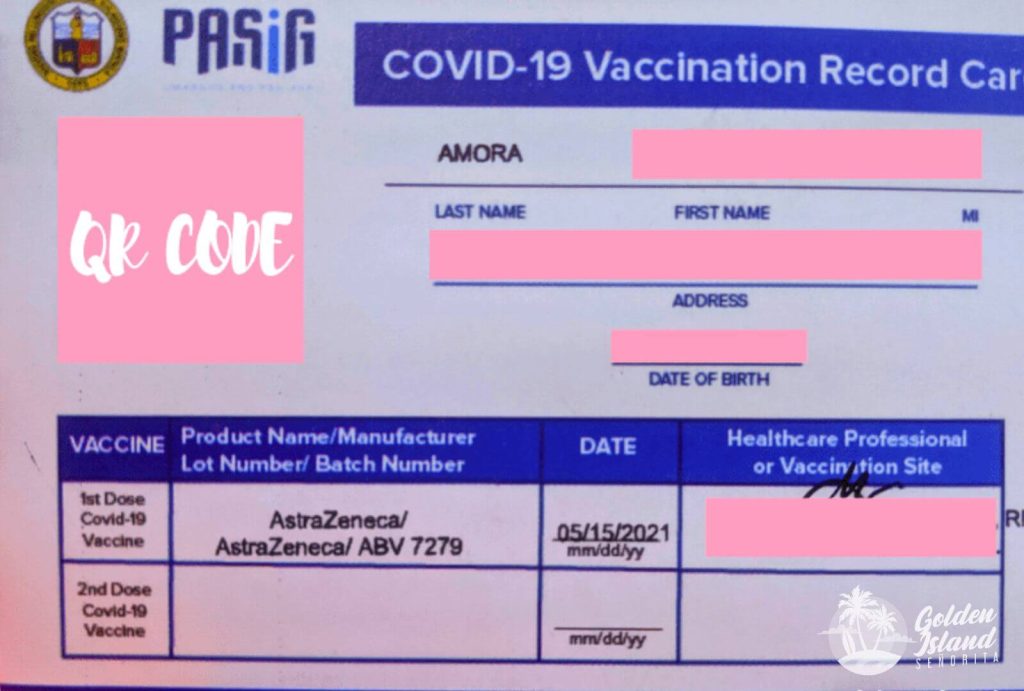
Be sure to keep your Vaccination Record Card as you will be required to present in on your next appointment.
What Possible Side Effects Should I Expect After Getting the COVID-19 Vaccine?
Vaccines are designed to give you immunity without the dangers of getting the disease. While it’s normal to build immunity without side effects, it’s also common to experience some mild-to-moderate side effects that go away within a few days on their own.
- Pain at the injection Site
- Feeling tired or fatigue
- Headache
- Muscle pain or achiness
- Generally feeling unwell
What can I do to relieve the discomfort of COVID-19 vaccine side effects?
Depending on your symptoms, you may try:
- Put a cold compress (like a damp washcloth) on the injection site.
- Use your arm, rather than keeping it inactive, to reduce injection site discomfort.
- Check with your doctor to see if you can take over-the-counter painkillers.
- Drinking plenty of fluids.
- If you’re feeling feverish, wearing lighter clothing.
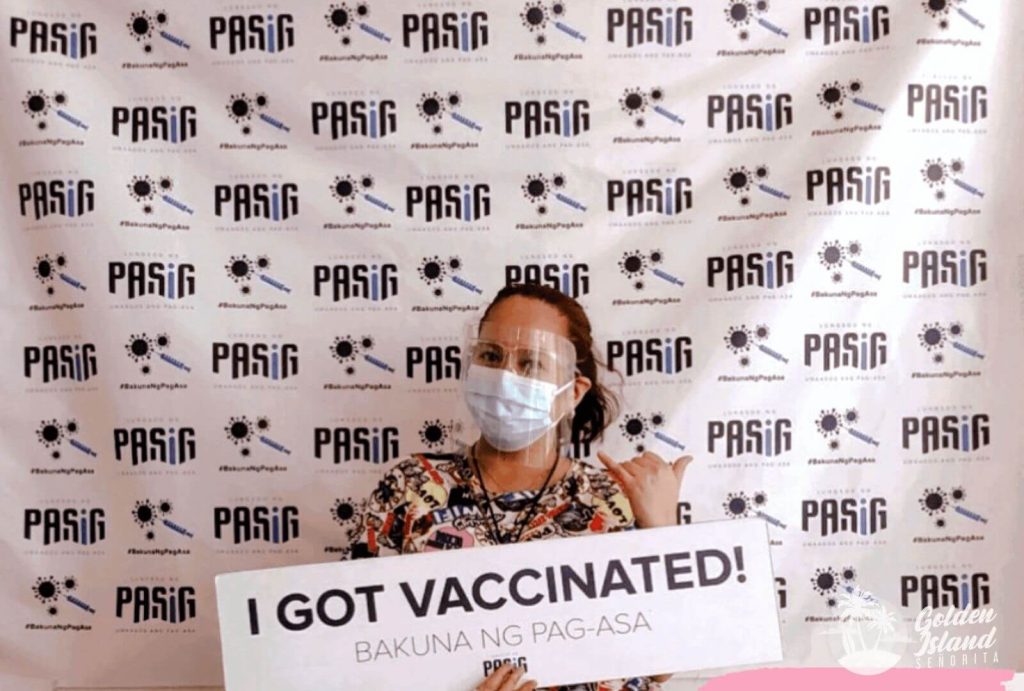
Now that I’m done with my first dose, can I meet and hangout with my friends?
Regardless of vaccination status, it is suggested to avoid medium to large gatherings. He or she should also follow prevention measures that reduce COVID-19 spread, such as wearing a mask, social distancing, and frequent hand-washing.
What Is The Interval Between The 1st And 2nd Dose Of COVID-19 Vaccine?
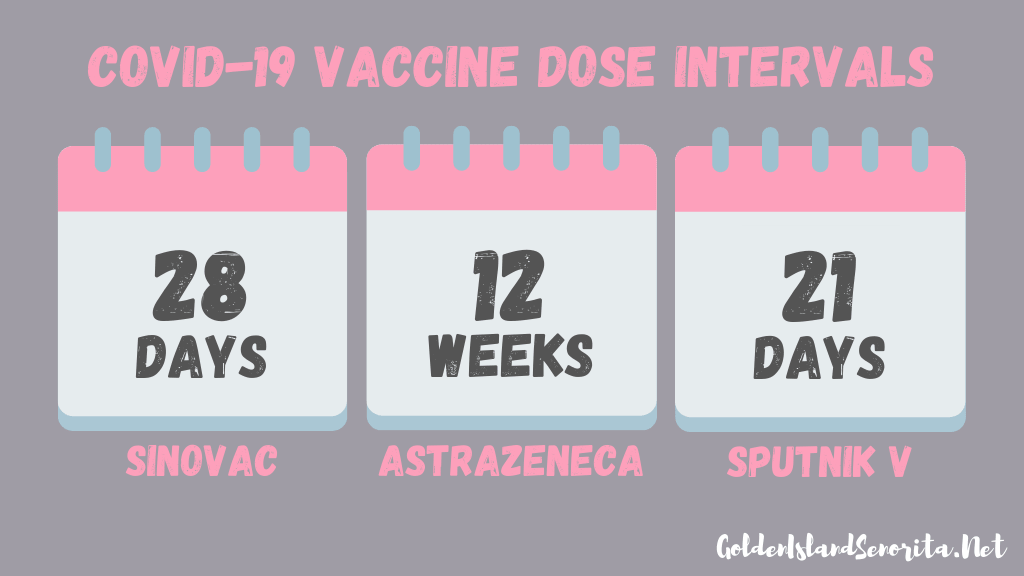
People who receive the AstraZeneca vaccine must wait at least 12 weeks before getting their second dose. Those who receive the Sinovac vaccine must wait at least 28 days. While developers suggest a 21-day interval for Sputnik V.
Getting The COVID-19 Vaccine: Your Second Dose
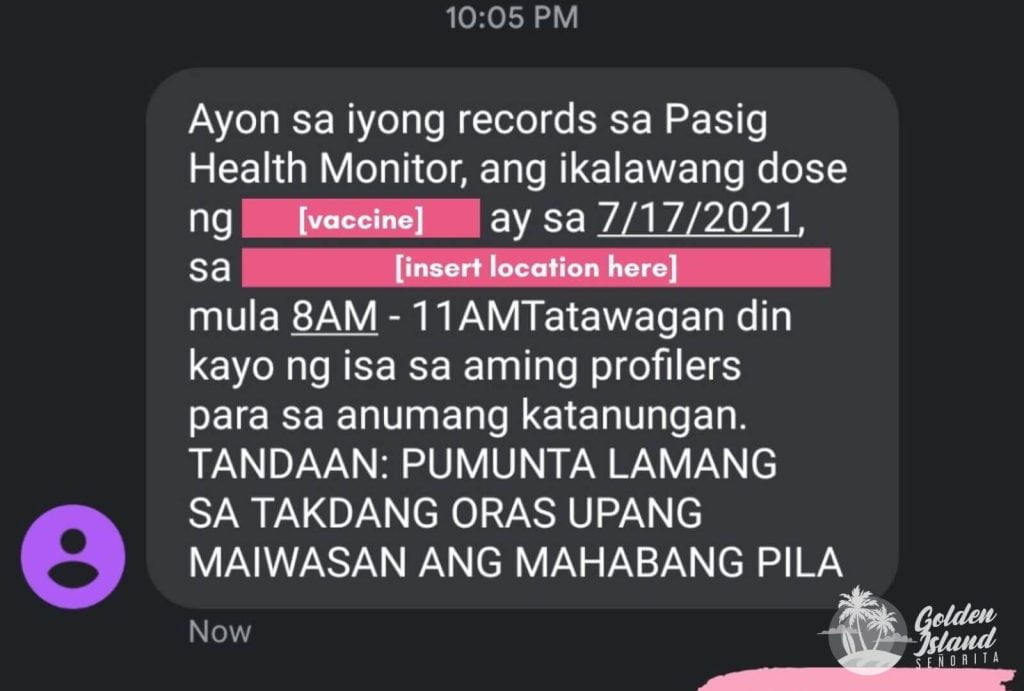
You will receive a notification either via SMS or a phone call from your local government informing you of your next appointment. They might assign you to a different vaccination center that wasn’t your first. If you’re going to bring a car, it is best to have someone else drive for you as it might take a while for you to get a spot to park your car. Security guards do not allow inside the vaccination centers unless you’re one of the staff.
Steps are similar to your first jab, you will be asked to wait in line, they will verify your identification and scheduled appointment, you will be screened and your vital signs will be taken. You will also undergo counseling to make sure you are fit to have your second dose and to get your consent. A healthcare worker, most likely a nurse will administer your vaccine and you will be asked to stay for monitoring.
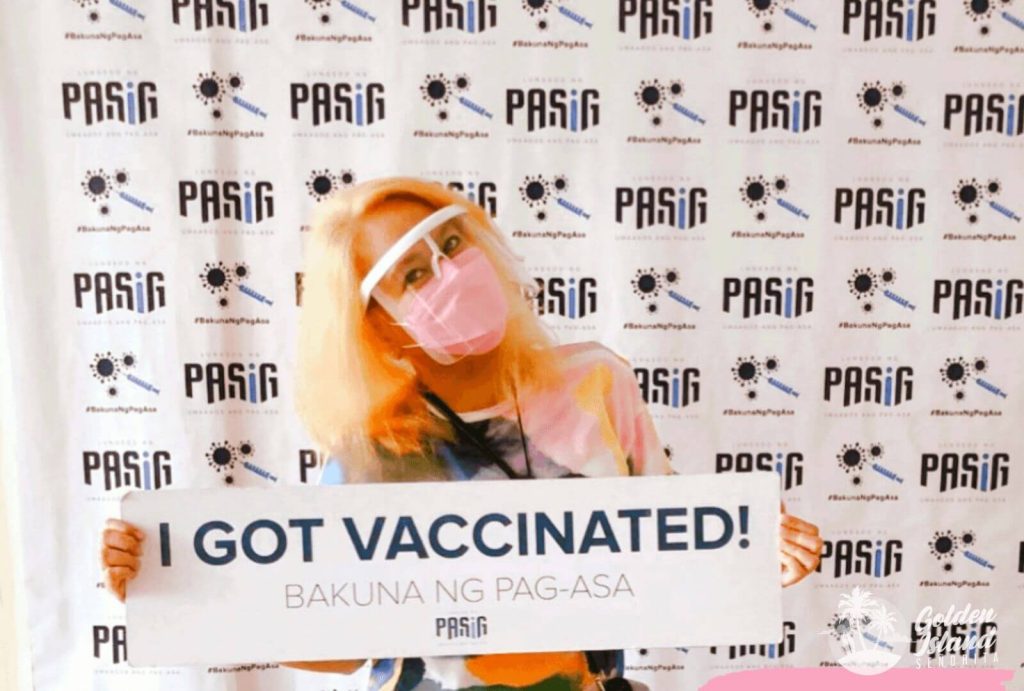
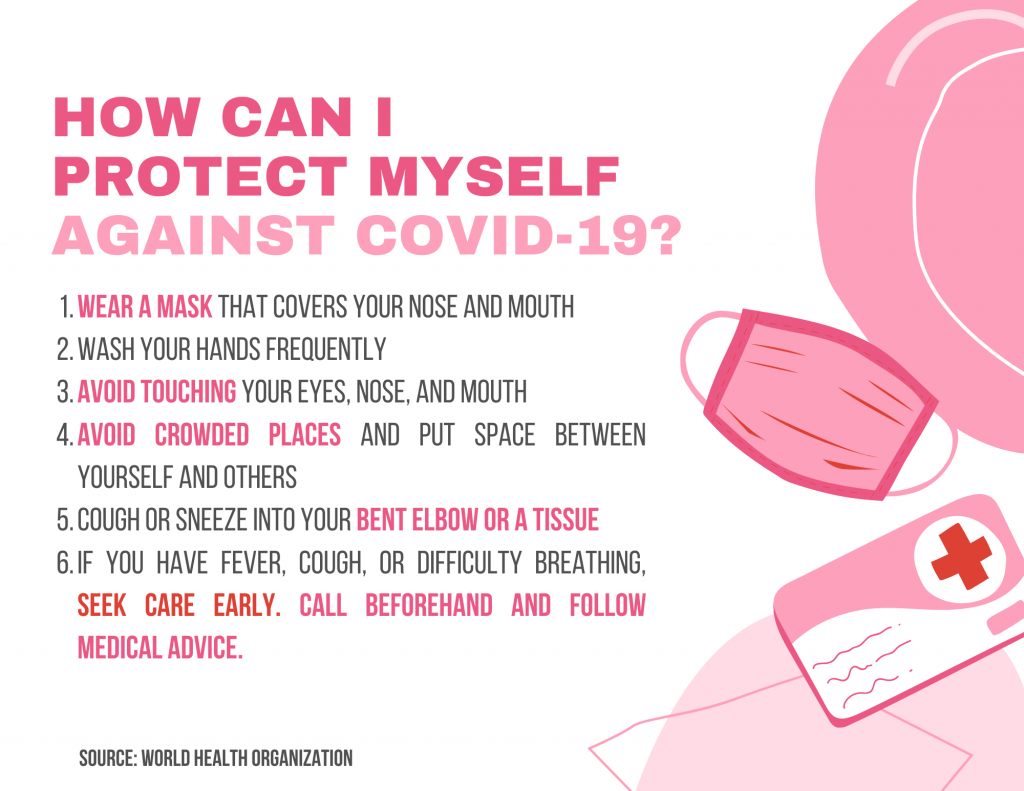
The COVID-19 vaccines no matter what the brand is, we can still become infected after being vaccinated, but once more of the population is vaccinated, those chances are further reduced thanks to something called herd immunity. We may still get the virus but will most likely experience mild to moderate symptoms of COVID-19 compared to those who aren’t vaccinated. Be sure to follow safety precautions even after getting your vaccines.

Polly Amora
Polly Amora is the señorita behind GoldenIslandSenorita.Net. A corporate warrior by day, and a perpetual explorer by heart. She is a lifelong learner who is very outgoing, speaks four languages, loud & outspoken, and loves to have adventures in the mountains, on the beach, and in the city. You can throw her anywhere, and she'll handle it like a pro. Ice cream and bourbon are two of her weaknesses.


You May Also Like

How to Get an International Certificate of Vaccination, also known as a “Yellow Card,” in the Philippines (A Step-by-Step Guide)
How to Get VaxCertPH Online (Digital Vaccine Certificate Step-by-Step Guide)

3 Comments
Yuri
Thanks for this information. I was curious about getting the COVID 19 vaccine but this info has been really helpful. BTW are there some fees for the vaccination?