
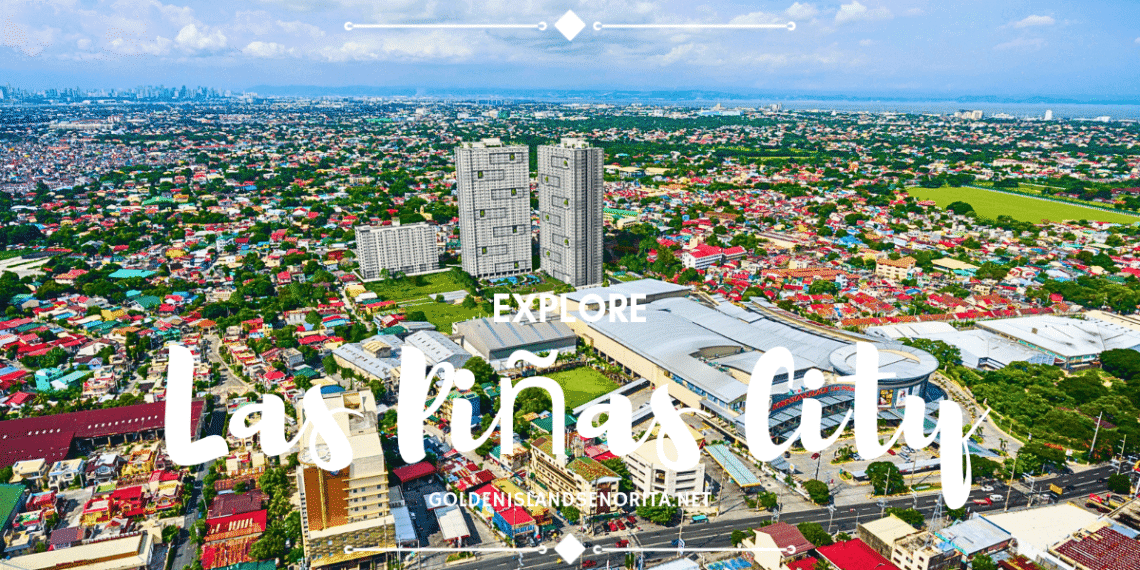
Ultimate Las Piñas City Guide: Must-See Attractions, Best Eats & Top Shopping Spots!
Tucked into the southwestern corner of Metro Manila, Las Piñas is a laid-back city with a surprising amount of heart. It carries the nickname “Home of the Bamboo Organ,” and for good reason: the city shelters the only surviving 19th-century bamboo organ in the Philippines. Beyond that famous instrument, you’ll find a restored heritage corridor, traditional salt beds, a protected wetland, big malls, and plenty of places to eat. The city became the 10th city of Metro Manila on March 26, 1997, and it has been growing ever since. Whether you’re a first-time visitor or planning a long stay, this friendly guide covers what to see, where to eat, how to get around, and what to know before you go.
A Quick Look at the Story
Las Piñas began as a fishing settlement on Manila Bay and later became known as the “Salt Bed of the Philippines” for its traditional salt-making. In the early 19th century, the Spanish friar Diego Cera built the famous organ at St. Joseph Parish Church. A restoration led by the German firm Klais began in 1972, the organ returned from Bonn in 1975, and it was declared a National Cultural Treasure in 2003. Zapote Bridge, meanwhile, recalls the Filipino revolutionaries who fought there. Today, modern malls and gated villages sit beside these landmarks.
General Information
- Coordinates: approximately 14.45° N, 120.98° E
- Region: National Capital Region (NCR), Metro Manila
- ZIP code: 1740 to 1750 depending on the area (for example, 1742 for Pulang Lupa and 1747 for the BF International area)
- Population: 615,549 (2024 census, Philippine Statistics Authority)
- Classification: Highly urbanized city
- No. of Barangays: 20
- No. of Districts: 1 (a lone legislative district)
- Popular Neighborhoods: BF International Village (CAA), BF Resort Village, Pilar Village, Almanza, Talon, Pamplona, Zapote, Ilaya (the old town), and the Vista Alabang/Daang Hari corridor
- Follows Coding Scheme: Yes, the city has applied the MMDA number coding scheme on its roads, and it has also run its own expanded version. Details have changed over the years, so check current advisories before you drive.
- Has Window Hours: Historically no. Las Piñas was among the few Metro Manila cities that did not allow window hours, but sources differ on current rules, so confirm with MMDA or the city government.
Where is Las Piñas?
The city sits on the southwestern edge of Metro Manila, facing Manila Bay. Parañaque lies to the north, Muntinlupa to the east, and Bacoor in Cavite to the southwest, which makes the city a natural gateway to the Calabarzon region. Its main artery is Alabang–Zapote Road, which links Alabang to the Cavite border and carries most of the city’s traffic, shops, and jeepney routes. The historic district runs along Diego Cera Avenue, while newer developments sprawl along Daang Hari and the C-5 Extension.
Accessibility
By Rail: There is no train station inside the city yet. The LRT-1 Cavite Extension Phase 1 is operating from Baclaran to Dr. Santos Station in Parañaque, with stops that include MIA Road and PITX. Plan to transfer by jeepney, e-trike, or ride-hailing from there. A station for the city is planned in a later phase, and officials have committed to finishing the extension before the end of 2028.
By Road: Driving into Las Piñas is straightforward, since most visitors arrive by car, bus, or jeepney via Alabang–Zapote Road, Diego Cera Avenue, the C-5 Extension, or Daang Hari. The CAVITEX and the South Luzon Expressway (SLEX) connect nearby. Buses and jeepneys run from Alabang and from Manila, and PITX in Parañaque is a major bus hub for southbound trips.
By Ferry: There is no commercial ferry terminal in the city. The nearest water transport options are along Manila Bay and the Pasig River in Manila and Pasay.
By Air: Ninoy Aquino International Airport (NAIA) is the closest gateway, and the northern edge of the city lies only a few kilometers from it. Travel time depends heavily on traffic, so allow generous buffer time.
Getting Around Las Piñas
Jeepney: The classic way to travel. Jeepneys run along Alabang–Zapote Road and major side streets, they’re cheap, and they’re an experience in themselves. Tell the driver “para po” when you want to get off.
Tricycles and Pedicabs: Perfect for short hops inside villages and barangays. Tricycles are generally not allowed on national highways, so expect them on interior roads. Agree on the fare before you ride.
Electric Jeepneys (E-Jeeps): Modern and electric jeepneys are appearing on some Metro Manila routes under the public transport modernization program, but availability in the city is limited. Don’t plan your itinerary around them.
Ride-Hailing Apps: Grab and similar apps are the easiest option for visitors, with fixed upfront fares for cars and quick motorcycle taxi options for solo travelers. Surge pricing is common during rush hour and rain.
Cycling: Possible in quiet subdivisions such as BF Homes-area villages, but there are few dedicated bike lanes on main roads. Choose early mornings and wear a helmet.
Taxi: Metered taxis can be flagged down or booked through apps. Always ask the driver to use the meter, and keep small bills handy for change.
Pro Tip: Alabang–Zapote Road is famously congested, often compared to the EDSA of the south. Avoid the morning rush (about 6 to 9 a.m.) and the evening rush (about 4 to 8 p.m.), and use Waze or Google Maps to find alternate routes.
Explore Las Piñas
From centuries-old church walls to IMAX screens, the city mixes heritage with modern fun. Here are curated ideas for every kind of traveler.
Visiting tip: The Bamboo Organ is the star attraction, so check the church’s current visiting hours and recital schedule before you go. Dress modestly, keep your voice low inside, and ask before taking photos during services.
Cultural and Heritage Spots in Las Piñas City
1. St. Joseph Parish Church (The Bamboo Organ Church)
- What it is: Built in the late 18th century (around 1795) by Spanish missionary Fray Diego Cera, this historic church exhibits classic Spanish colonial architecture.
- Cultural Significance: It is globally famous for housing the Las Piñas Bamboo Organ, a 19th-century church organ made almost entirely of bamboo pipes. Designated as a National Cultural Treasure, it is celebrated annually during the international Bamboo Organ Festival.
2. The Bamboo Organ Museum
- What it is: Located adjacent to the St. Joseph Parish Church, this museum preserves the history of the parish and the intricate process behind building the bamboo organ.
- Cultural Significance: It houses historical artifacts, old photographs, vestments, and decommissioned bamboo and metal pipes, offering visitors a deeper educational look into 19th-century music and craftsmanship.
3. Las Piñas Historical Corridor
- What it is: A designated heritage zone spanning the old poblacion (town center) along P. Diego Cera Avenue.
- Cultural Significance: The corridor links several Spanish-colonial-era landmarks, restored heritage structures, and traditional markers to preserve the old-world town layout and protect the city’s historical identity against rapid urbanization.
4. Zapote Bridge
- What it is: A historic stone bridge crossing the Zapote River, connecting Las Piñas to Bacoor, Cavite.
- Cultural Significance: It is one of the most critical historic battle sites in Philippine history. It witnessed two major battles: the Battle of Zapote Bridge in 1897 during the Philippine Revolution (where General Edilberto Evangelista died bravely) and an earlier conflict during the Philippine-American War.
5. Santuario de San Ezekiel Moreno
- What it is: A striking church built in honor of Saint Ezekiel Moreno, a Spanish Augustinian recollection priest who served faithfully as the parish priest of Las Piñas from 1876 to 1879.
- Cultural Significance: Located along the C-5 Extension corridor, the shrine mirrors traditional Spanish colonial architectural elements and serves as both an active pilgrimage site and a tribute to the city’s deep-rooted religious history.
6. Prinza Dam (Molino Dam)
- What it is: A historic, man-made masonry irrigation dam situated on the Zapote River along the border of Las Piñas and Bacoor.
- Cultural Significance: Constructed during the Spanish colonial era under the direction of Fray Diego Cera to manage water systems for local agriculture and salt beds, it stands as a fine example of 19th-century hydro-engineering in the country.
7. The Old Las Piñas District Hospital Building
- What it is: An officially declared historic structure that represents early 20th-century American-era public institutional architecture in the municipality.
- Cultural Significance: Recognized under local heritage decrees as part of the city’s collective identity, it highlights the evolution of public health infrastructure in southern Manila.
8. The Historic Salt Beds / Salt-Making Heritage Sites
- What it is: Though heavily impacted by modern development, Las Piñas historically earned the moniker “Salt Center of Metro Manila” due to its massive livelihood reliance on coastal salt-making pans along Manila Bay.
- Cultural Significance: Cultural markers and local historical accounts keep this trade alive in memory, representing the traditional coastal economy that sustained early generations of “Las Piñeros.”
9. Ciudad Granja (Historic Ancestral Environs)
- What it is: A pocket representing remnants of old sprawling estates and pockets of historical greenery close to the Zapote-Alabang corridor.
- Cultural Significance: It preserves the ambiance of old Southern Tagalog-suburban living, reflecting how the area transitioned from a quiet agricultural and fishing settlement into a bustling metro city.
10. Las Piñas–Parañaque Wetland Park (LPPWP)
- What it is: While primarily an ecological wetland and Ramsar convention site, this protected area holds immense heritage value regarding the city’s natural geography.
- Cultural Significance: Historically intertwined with the coastal lifestyle, fishing traditions, and mangrove conservation of early inhabitants, it forms an integral part of the local government’s push to preserve both the environmental and cultural roots of the Manila Bay ecosystem.
5 Relaxing Things To Do in Las Piñas
- Stroll the Historical Corridor. Walk Diego Cera Avenue’s Spanish-style lamp posts, cobbled streets, and adobe walls.
- Listen to the Bamboo Organ. Visit St. Joseph Parish Church, home to an organ with 1,031 pipes, 902 of them bamboo.
- Sip coffee in BF. Cafés such as Kapeng Mainit in BF International are great for slow mornings.
- Unwind at Evia Lifestyle Center. This Daang Hari lifestyle center offers open spaces, cafés, and restaurants.
- Relax in a city plaza. Plaza Rizal and the city’s parks offer shaded, quiet corners.
10 Adventurous Things To Do in Las Piñas
- Ride a jeepney along Alabang–Zapote Road like a local.
- Visit Zapote Bridge, the site of a major Philippine revolutionary battle.
- Watch a salt-making demonstration at the Irasan salt beds in Pulang Lupa.
- Join a guided tour of the wetland park (the Las Piñas–Parañaque Critical Habitat and Ecotourism Area), a mangrove sanctuary with migratory birds. Arrange access ahead of time.
- Watch IMAX with Laser at Evia, the first of its kind in Southeast Asia. SM Southmall also has an IMAX screen.
- Try a motion-effects cinema. Evia has been home to an MX4D motion-seat theater.
- Hunt for heritage photos along Calle Real and the old district, where adobe walls and colonial-style lamp posts make great backdrops.
- Day trip to Kawit, Cavite to see the Aguinaldo Shrine.
- Day trip to Tagaytay for views of Taal Volcano.
- Catch a Manila Bay sunset by driving CAVITEX toward Roxas Boulevard.
10 Fun Things To Do in Las Piñas for the Kids
- Tour the Bamboo Organ and museum. Kids love hearing music from bamboo.
- See salt being made at the Irasan demonstration.
- Visit the Historical and Cultural Museum along the Historical Corridor.
- Borrow a book at the city’s public library.
- Go to the movies at SM Southmall or Evia.
- Play at mall arcades and play zones in SM Southmall and Robinsons.
- Have a family picnic in a city park.
- Go birdwatching at the wetland park with a guide.
- Spot jeepneys. The city has a jeepney-building heritage, and kids enjoy the colors.
- Eat kid-friendly meals at family spots such as Mesa and Burgoo in SM Southmall.
10 Fun Things To Do in Las Piñas for the Grown-Ups
- Attend the International Bamboo Organ Festival each February.
- Try teppanyaki at Teppanya in Evia.
- Order steaks and ramen at Kaijo Steaks and Ramen on Gloria Diaz Street.
- Share ribs and wings at Burgoo in SM Southmall.
- Enjoy cocktails and plates at Spork Kitchen and Bar in Pilar Development Complex, Almanza.
- Dine at Cassalu on Alabang–Zapote Road, Talon Uno.
- Shop and sip at Evia and Alabang West Parade.
- Take in Entertainment City, about a 15-minute drive away in Parañaque.
- Book a wellness break at a mall spa or clinic offering massage services.
- Catch a late movie in IMAX at SM Southmall or Evia.
10 Malls and Shopping Centers in Las Piñas
- SM Southmall: Alabang–Zapote Road, Almanza Uno, with IMAX and a large food street.
- Robinsons Las Piñas: Alabang–Zapote Road, Talon Tres; opened in October 2014.
- Evia Lifestyle Center: Daang Hari, Almanza Dos; opened in 2012.
- Vista Mall: Alabang–Zapote Road, Pamplona Dos; formerly Starmall.
- SM Center: Alabang–Zapote Road, Pamplona Dos.
- Floriad Lifestyle: C-5 Extension, Pulang Lupa Uno.
- Alabang West Parade: a Megaworld lifestyle center near Alabang West.
- Colours Town Center: a smaller community mall listed for the city (check current operating status).
- Metro Towne Center: another community mall in the city listing (check current operating status).
- Alabang–Zapote Road shops: supermarkets, bakeries, and stalls line the corridor.
10 Private Clinics in Las Piñas
- Hi-Precision Diagnostics, Las Piñas Branch: Alabang–Zapote Road, Talon Uno.
- The Medical City Clinic: SM Southmall South Tower.
- Alabang Medical Clinic (Almanza): Real Street, Almanza.
- Alabang Medical Clinic (Talon): corner of Mendoza Street.
- Nephrology Center of Las Piñas: 440 Alabang–Zapote Road, Talon Uno.
- New World Diagnostics: laboratory and diagnostics services.
- True Vision: eye care for check-ups and glasses.
- Ideal Vision Center: optical services in SM Southmall.
- uRestore Physical Therapy and Rehabilitation: SM Southmall.
- HeCares Physical Therapy and Rehabilitation: Alabang–Zapote Road, Talon Dos.
10 Private Hospitals in Las Piñas
Six well-known private hospitals operate inside the city, and four more trusted options sit just beyond its borders.
- Las Piñas Doctors Hospital: J.I. Aguilar Avenue, Pulang Lupa Dos.
- Las Piñas City Medical Center: Marcos Alvarez Avenue, Talon.
- Christ the King Medical Center Unihealth Las Piñas: Real Street, Pamplona Uno.
- Perpetual Help Medical Center: Alabang–Zapote Road, Pamplona Tres.
- Pope John Paul II Hospital and Medical Center: 545 Alabang–Zapote Road, Talon.
- Pamplona Hospital and Medical Center: Alabang–Zapote Road.
- Asian Hospital and Medical Center: Filinvest City, Muntinlupa.
- Medical Center Muntinlupa: National Road, Putatan, Muntinlupa.
- Our Lady of Peace Hospital: Sucat area, Parañaque.
- San Juan de Dios Hospital: Roxas Boulevard, Pasay.
10 Veterinary Clinics in Las Piñas
- Ewa Veterinary Clinic and Pet Supplies: Gemma Cruz Street, BF.
- New Alabang Veterinary Center: Versailles, Daang Hari.
- BF Paw and Claw Veterinary Clinic: Vatican City Drive.
- Ormanes Veterinary Clinic: BF Resort Village.
- Las Piñas SNV Animal Clinic: Aventine Hills.
- Jordan Veterinary Clinic: branches in Pilar and SM Southmall.
- Furryhome Animal Clinic
- South Paws Animal Clinic
- FMH Animal Clinic
- City Veterinary Office: a government office offering vaccination programs, reachable at (02) 8255 2911.
10 Buffet and Eat-All-You-Can Restaurants in Las Piñas
- Sambo Kojin: SM Southmall East Wing Food Street; Japanese, Korean, Chinese, and Filipino dishes.
- Four Seasons Buffet and Hotpot: SM Southmall; shabu-shabu with sushi.
- Sigsaga Buffet: BF Resort Village; Korean-style grilled meats.
- Tong Yang Plus: shabu-shabu and samgyup in one place.
- All4U Unlimited Grill and Shabu Shabu: Evia, second floor.
- Wagyuniku: a samgyup-style Japanese and Korean barbecue spot.
- Buffet 101: Alabang Town Center, Muntinlupa (nearby).
- Vikings Luxury Buffet: SM Mall of Asia, Pasay (nearby).
- Medley Buffet: Okada Manila, Parañaque (nearby).
Where To Stay in Las Piñas
Las Piñas City functions primarily as a residential, commercial, and historical heritage district rather than a major commercial business district or tourist hub for international 5-star hotels. Consequently, while upscale luxury hotels are located just minutes away in neighboring Alabang or the Bay Area, Las Piñas itself features a strong selection of upper-midscale, comfortable mid-range, and accessible budget accommodations, complemented by popular condotel staycations.
The hotel and accommodation options in and around Las Piñas City break down across categories:
Luxury
Note: Because Las Piñas focuses more on suburban living and heritage tourism, true 5-star luxury hotels are situated just 10–15 minutes away in neighboring Alabang (Muntinlupa) and the South Metro corridor. The top upscale choices within and immediately adjacent to the city include:
- Mella Hotel (C-5 Extension, Las Piñas) – The premier full-service upscale hotel directly within Las Piñas, featuring sophisticated, warm rooms, an outdoor swimming pool, a fully equipped gym, an on-site restaurant, and a bar.
- Crimson Hotel Filinvest City Manila (Alabang, Muntinlupa – approx. 10 mins away) – A premier 5-star luxury hotel offering world-class hospitality, fine dining, an executive club lounge, and an iconic infinity pool.
- The Bellevue Manila (Alabang, Muntinlupa – approx. 10–15 mins away) – A 5-star luxury property celebrated for elegant European-inspired rooms, exceptional dining outlets, and top-tier personalized service.
- Vivere Hotel and Resorts (Alabang, Muntinlupa – approx. 15 mins away) – A 5-star luxury boutique hotel offering panoramic views of Laguna de Bay, spacious suites, fine dining, and wellness services.
- Acacia Hotel Manila (Alabang, Muntinlupa – approx. 15 mins away) – A luxury 5-star hotel known for its warm Filipino hospitality, spacious guest rooms, and renowned buffet spreads.
Mid-Range
- RedDoorz Premium @ Paseo Verde Las Piñas – A well-appointed, modern mid-tier stay offering clean, secure, and comfortable rooms within a managed residential complex.
- RedDoorz Plus @ MM Hotel Las Piñas – A popular, highly-rated mid-range choice featuring reliable air-conditioning, dependable Wi-Fi, and convenient proximity to the city’s main thoroughfares.
- Vibe Hotel Alabang (Near the Las Piñas-Muntinlupa border) – A stylish 3-star property offering contemporary interiors, friendly service, and easy access to South Metro commercial centers.
- Victoria Court Las Piñas – A well-known hospitality stop offering distinct, whimsical themed rooms, reliable modern amenities, private garage options, and 24/7 room service.
- Hotel Dream World Las Piñas – An accessible and dependable choice featuring comfortable bedding, clean facilities, and round-the-clock assistance for travelers.
Budget
- RedDoorz @ CAA Road Las Piñas – A straightforward, no-frills budget stay situated along CAA Road, ideal for backpackers and transit travelers.
- RedDoorz Near Christ the King Medical Center – An economical, clean lodging option providing essential amenities close to local commercial and medical hubs.
- Sultana Ysabella Hotel and Event Inc. – A budget-friendly hotel and event property offering affordable overnight rooms for budget-conscious visitors.
- Bed and Brewhouse Hostel – A cozy, highly-rated budget hostel providing an intimate, welcoming environment with both shared and private spaces.
- RedDoorz @ Ranchotel Bayanan Alabang (Border accommodation) – A reliable ultra-budget stop located right near the southern boundary interchange, perfect for quick overnight rests.
Alternative Stays
Local Homestays and Serviced Apartments: Private residential rentals located near the historic Poblacion area and Alabang-Zapote corridor, ideal for families or travelers looking for extended, apartment-style living while exploring the city’s heritage spots
SMDC South Residences (Alabang-Zapote Road, Las Piñas): The top choice for condotel staycations directly within Las Piñas (located right beside SM Center Las Piñas). Fully furnished studio and 1-bedroom apartments feature access to resort-style swimming pools, landscaped gardens, and secure lobbies, easily bookable via Airbnb and major local platforms.
Things Every Visitor Should Know/Travel Tips for Visiting Las Piñas
Best time to visit: The dry season from November to May is best, with cooler days from December to February. June to October is rainy and typhoon-prone, and low areas near Zapote can flood.
Money: The currency is the Philippine peso. Malls accept cards and e-wallets such as GCash and Maya, but jeepneys, tricycles, and small eateries are cash-only.
Connectivity: Globe, Smart, and DITO have strong coverage. Malls offer free Wi-Fi, and eSIMs work for short trips.
Safety and scams: Las Piñas is generally calm, but watch for phone snatching and pickpockets in crowds. Avoid unmetered taxis, agree on tricycle fares in advance, and ignore offers from street “fixers.”
Festivals: The International Bamboo Organ Festival happens every February. The city celebrates its cityhood on March 26, and St. Joseph’s feast brings parish festivities.
Dress code: Light, breathable clothing works year-round. When visiting St. Joseph Parish Church, cover shoulders and knees.
More things worth knowing:
- English and Filipino are widely spoken.
- The electrical standard is 220 volts.
- Carry a reusable bottle and drink bottled or filtered water.
- Check visa and arrival registration rules before your trip.
- Tricycles can’t use national roads, so rely on jeepneys or ride-hailing for long trips.
- Filipinos appreciate politeness. Adding “po” and “opo” to your sentences is a warm sign of respect, especially with elders.
- Tipping is appreciated but not required. If a restaurant has not added a service charge, 10 percent is a common gesture.
- During heavy rain, check advisories from the city government and MMDA. Flooding can close low-lying roads quickly, and plans may need to shift.
- Use insect repellent, particularly in the rainy season, since dengue is a recurring concern across Metro Manila.
- Keep copies of your passport and travel documents separate from the originals.
- Many malls have accessible entrances and ramps, but sidewalks elsewhere can be uneven, so plan routes ahead if you use a wheelchair or stroller.
Emergency Establishments and Hotlines in Las Piñas
| Service | Contact | Notes |
|---|---|---|
| National emergency hotline | 911 | Police, fire, and medical dispatch |
| Philippine Red Cross | 143 | Ambulance and disaster assistance |
| Las Piñas DRRMO (Disaster Risk Reduction) | via 911 or City Hall | Runs a 24-hour command center during emergencies |
| Philippine National Police | 117 or 911 | Report crimes and emergencies |
| Bureau of Fire Protection | 874-6177 / 871-2281 / 245-0387 | Central station at the City Hall compound; numbers from the city’s listing, so confirm them |
| Hospitals | See our hospital list above | Las Piñas General Hospital and Satellite Trauma Center on Diego Cera Avenue is a 500-bed public hospital |
| Pharmacies | Mercury Drug, Watsons, Rose Pharmacy | Several branches open late; check for 24-hour stores |
| Embassies and consulates | None in the city | Most are in Manila, Pasay, Makati, and Taguig; call your embassy’s emergency line |
| City Hall | Alabang–Zapote Road | Visit laspinascity.gov.ph for current numbers |
| MMDA Metrobase | 136 | Traffic and road assistance |
| Citizens’ hotline | 8888 | Complaints and concerns |
| Mental health crisis line | 1553 | National Center for Mental Health crisis hotline |
A Quick 3-Day Las Piñas Itinerary
Here is an easy, walkable plan that balances culture, nature, and food, with Las Piñas’ best-known sights grouped by theme to save you time in traffic.
Day 1: Heritage Day. Start at St. Joseph Parish Church for the Bamboo Organ, then walk the Historical Corridor on Diego Cera Avenue. Visit the museum and the Irasan salt beds, cross Zapote Bridge, and have lunch nearby. In the evening, enjoy dinner in BF.
Day 2: Nature and Shopping. Join a morning wetland park tour if you’ve arranged access. Have lunch at SM Southmall, catch an IMAX film, and finish with dinner at Evia.
Day 3: Food and Fun. Have brunch at a BF café, shop at Robinsons, and spend the afternoon at a mall spa or the cinema. End the trip with a buffet dinner at Sambo Kojin or Tong Yang Plus.
What to Buy: Souvenirs and Pasalubong
- Local rock salt: a nod to the city’s salt-making history.
- Bamboo organ souvenirs: postcards, recordings, and keepsakes from the church.
- Miniature jeepneys: colorful models celebrate local craftsmanship.
- Bamboo crafts: baskets, utensils, and décor.
- Pasalubong staples: dried mangoes, polvoron, and pastillas from mall stores.
Pasalubong means a gift brought home for family and friends, and it is a beloved Filipino tradition. Supermarkets and mall food stores are the easiest places to stock up, and it helps to pack fragile items in your carry-on. If you plan to bring salt or food items abroad, check your destination’s customs rules first.
Frequently Asked Questions
Is Las Piñas safe for tourists? Yes, it’s generally safe, especially in malls and villages. Use normal precautions with valuables, travel in groups at night, and use ride-hailing after dark.
How many days do I need? Two to three days are enough to cover the highlights, with a fourth day for day trips.
Do I need cash? Yes. Carry small bills for jeepneys, tricycles, markets, and street food, while malls accept cards and e-wallets.
Is it a good base for exploring Manila? It’s a good choice for southern attractions, Entertainment City, and Cavite. Traffic makes Manila’s city center a long ride, so consider LRT-1 from Dr. Santos Station.
Can I drive a rental car? Yes, with a valid license, but expect heavy traffic. Check the coding scheme and use a driver if you prefer a stress-free trip.
Is it family-friendly? Yes. Malls, museums, parks, and casual restaurants make it easy to keep children entertained, and most hotels and restaurants welcome families.
Final Thoughts
Las Piñas rewards curious travelers. Heritage, green spaces, food, and shopping come together in a friendly and convenient package, and the city is far more relaxed than the busy center of Manila. Come for the Bamboo Organ, stay for the buffets and cafés, and leave with a pocket of local salt and good stories. Bring patience for the traffic, a sense of humor, and an empty stomach. Safe travels, and enjoy the visit!




Polly Amora
Polly Amora is the señorita behind GoldenIslandSenorita.Net. A corporate warrior by day, and a perpetual explorer by heart. She is a lifelong learner who is very outgoing, speaks four languages, loud & outspoken, and loves to have adventures in the mountains, on the beach, and in the city. You can throw her anywhere, and she'll handle it like a pro. Ice cream and bourbon are two of her weaknesses.


You May Also Like

Ultimate San Juan City Guide: Must-See Attractions, Best Eats & Top Shopping Spots!
Ultimate Quezon City Guide: Must-See Attractions, Best Eats & Top Shopping Spots!