


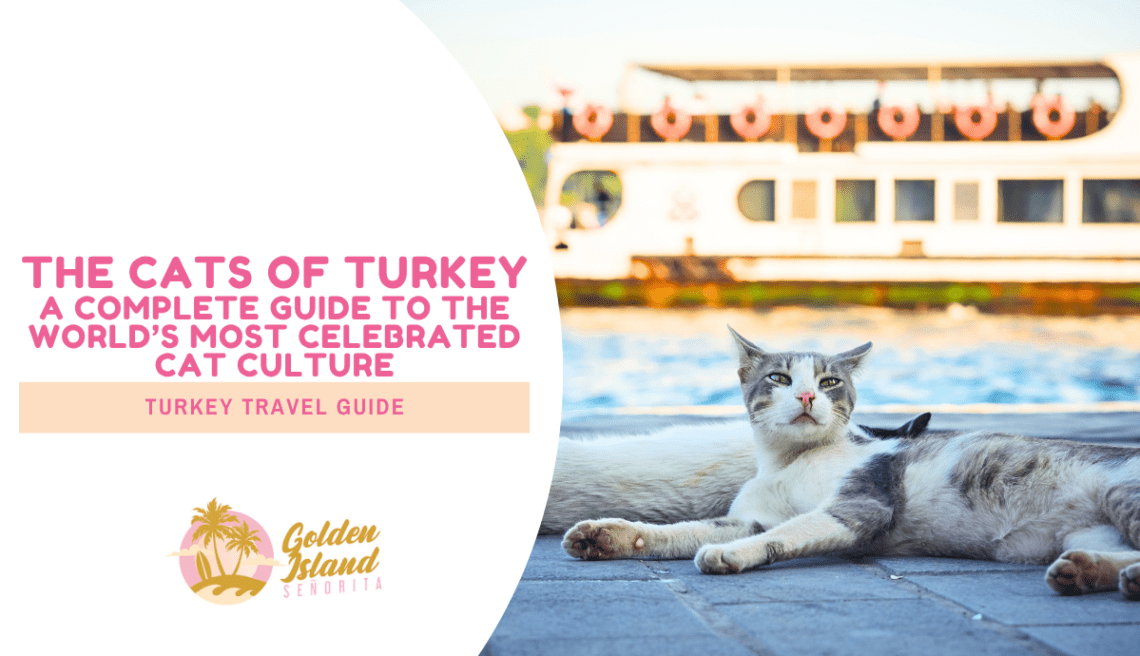
The Cats of Turkey: A complete guide to the world’s most celebrated cat culture
Imagine a country where cats are not merely pets but cultural icons — fed by strangers, sheltered in mosques, immortalized in film, and regarded as nothing less than the living soul of entire cities. That country is Turkey. The cats of Turkey are unlike any others on earth — and what unfolds there between human and feline is one of the most extraordinary interspecies relationships on the planet.
🖤🤍

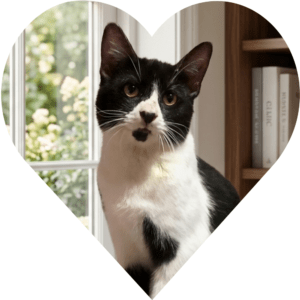
A dedication
For Orion — (short for Sir Orion NoirBlanc), my dashing tuxedo gentleman, whose black-and-white coat made every room feel like a gala. You crossed the rainbow bridge in May 04, 2026, leaving paw prints on every corner of my heart. This article is for you, my little Bosphorus soul, who would have fit perfectly on a warm Istanbul rooftop, watching the world go by with royal indifference. Run free among the cats of heaven, my sweet boy.
— In loving memory of Orion 🌟

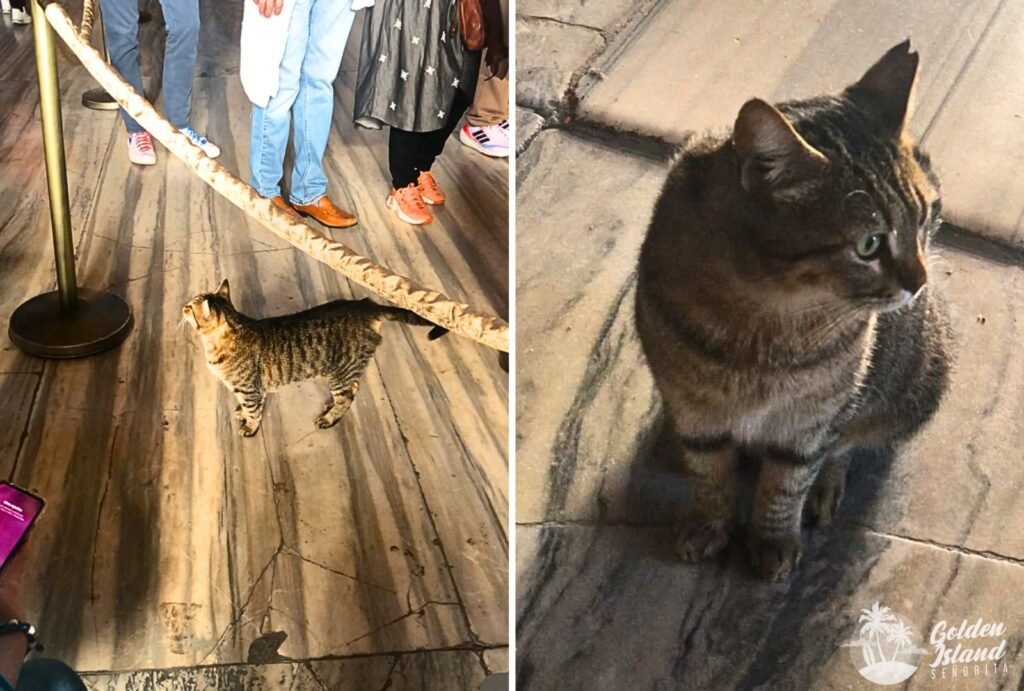
Kitty at the Hagia Sophia
A Nation Defined by Its Cats
Walk through any Turkish city — Istanbul, Ankara, Izmir, Konya — and within minutes one of the cats of Turkey will appear. It might be dozing on a sun-warmed marble step outside a mosque, weaving between the legs of café chairs, or peering at you from a fishmonger’s stall with an air of quiet entitlement. This is not accidental. The relationship between Turkish society and its cats has been centuries in the making, woven into the very fabric of culture, religion, and daily life. The cats of Turkey did not arrive at their celebrated status by accident.
Turkey is home to an estimated 20 million street cats — making the cats of Turkey one of the highest feline concentrations in the world relative to population. Unlike in many other countries, where stray animals are seen as a municipal problem to be solved through shelters or culls, Turkish society has long embraced a third way: community ownership. These cats of Turkey belong to no one and to everyone simultaneously. They are fed, named, vaccinated, and loved by entire neighborhoods, bakeries, libraries, and ferry terminals.
“In Istanbul, a cat is never truly homeless. It belongs to the city itself.”
A common saying among Istanbul residents
This collective care extended to the cats of Turkey is not charity — it is custom. It is something children grow up observing their parents do, shop owners do as a matter of routine, and elderly men and women do as a form of daily devotion. In Turkey, feeding the cats of Turkey is not an act of pity but of kinship.
Ancient Roots: How It All Began
To understand the cats of Turkey and their privileged place in society, you must travel back well over a thousand years. The story begins, in many respects, with Islam. The Prophet Muhammad is famously documented to have deeply loved cats. The cats of Turkey trace their revered status, in part, to this sacred connection.
The most cherished story involves his cat Muezza, who allegedly fell asleep on the sleeve of the Prophet’s robe while he was preparing for prayer. Rather than disturb the sleeping cat, Muhammad cut off the sleeve of his garment. Upon his return, Muezza bowed to him, and the Prophet stroked the cat three times — a gesture said to have guaranteed the cat a place in paradise.
This is not merely legend. Hadith — the collected sayings and actions of the Prophet — describe cats as ritually clean animals — a designation that elevated the cats of Turkey to a spiritually protected status (unlike dogs, which are considered impure in traditional Islamic jurisprudence). Cats are permitted inside homes and mosques, allowed to drink from vessels used for ritual washing, and are treated with explicit respect in Islamic tradition. Because Islam has been the predominant religion of Anatolia for over a millennium, this theological warmth toward the cats of Turkey became deeply embedded in the culture.
Long before Islam, the Byzantines who ruled Constantinople (present-day Istanbul) also kept cats for practical purposes — controlling the rodent populations that threatened grain stores and manuscripts in a densely populated imperial city. When the Ottomans conquered Constantinople in 1453, they inherited not just the city’s infrastructure but the cats of Turkey who had long made Constantinople their home. Under Ottoman rule, the reverence for cats only deepened. Sultans were known to keep cats in their palaces, religious endowments (vakıflar) were established to provide food and care for street animals, and mosques became de facto sanctuaries for feline residents.
Historical Milestones in Turkish Cat Culture
- Prophet Muhammad’s reverence for cats establishes the theological basis that would make the cats of Turkey among the most honored felines in the Islamic world.
- Byzantine Constantinople employs the cats of Turkey to protect vast grain stores and libraries from rodents — a civic function that earns them permanent urban residence.
- Ottoman sultans include the cats of Turkey among palace inhabitants; imperial decrees protect animals as part of broader Islamic ethics of mercy.
- Religious endowments formally fund the feeding and care of the cats of Turkey, institutionalizing community responsibility for stray animals.
- The 2016 documentary Kedi introduces the cats of Turkey to global audiences, sparking international fascination that continues to this day.
- In 2021, Turkey’s Constitutional Court rules that municipalities must maintain the welfare of street animals — a landmark legal protection.
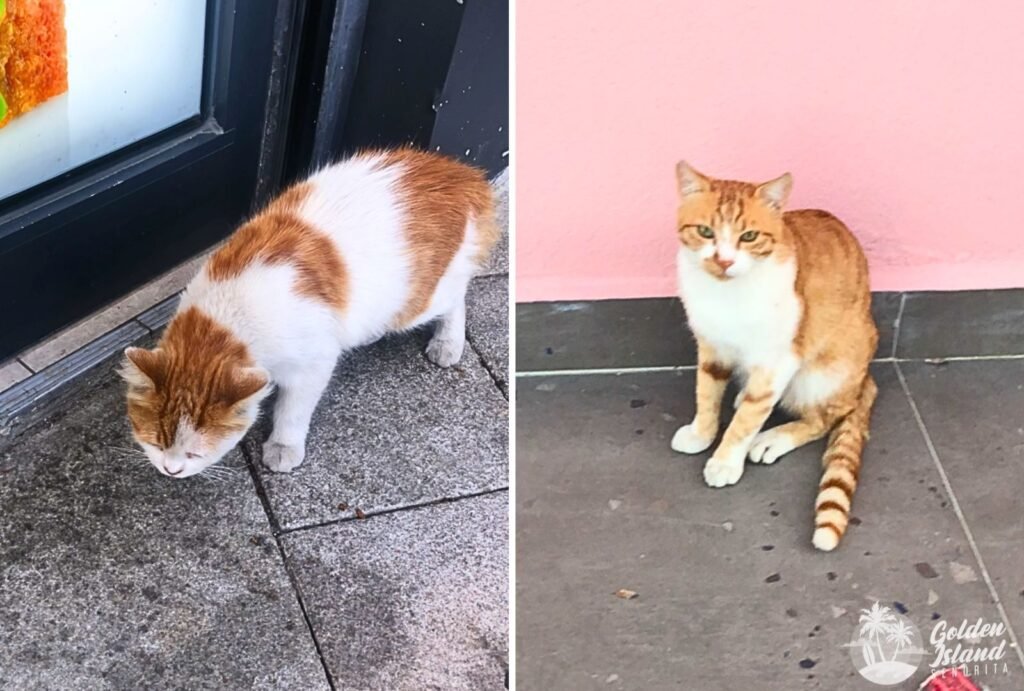
Oranges in Istanbul
Istanbul: The City That Belongs to Cats
Of all the places where the cats of Turkey hold court, Istanbul holds the most special place in the feline world. Straddling Europe and Asia, bisected by the glittering Bosphorus Strait, Istanbul is a city of extremes — grandeur and chaos, antiquity and modernity, devotion and decadence. And through all of it, the cats of Turkey walk with serene authority.
The cats of Turkey lounge on the steps of the Hagia Sophia, one of the most visited monuments on earth. They patrol the fish markets of Karaköy with practiced expertise. They sleep in the window displays of bookshops in Beyoğlu, draped over stacks of novels as if they themselves have read every one. They ride the ferries across the Bosphorus — or at least they board them and leap off again with theatrical indifference. The cats of Turkey — Istanbul’s in particular — each have a story, a name, a neighborhood that claims them as its own.
Gli: The Most Famous Cat in the World
No story of Istanbul’s cats is complete without Gli, a green-eyed female cat who made the Hagia Sophia her home for nearly two decades. Wandering the historic basilica since 2004, Gli became an international celebrity when former US President Barack Obama visited the site in 2009 and was photographed petting her. She had her own social media following, her own Wikipedia page, and her own dedicated caretaker on the museum staff.
Gli passed away in November 2020, shortly after the Hagia Sophia was converted back from a museum to a functioning mosque — a transition that had displaced her routine but not her spirit. She was buried in the museum grounds. Her memory remains a symbol of everything the cats of Turkey represent: dignity, permanence, and the right to belong.
“If you are feeling unhappy, go out and find a cat. It will heal you.”Turkish proverb
What makes the cats of Turkey so remarkable is not just the sheer number of cats but the intimacy of their integration into daily life. Shops display hand-painted signs welcoming cats inside. Restaurants set out special plates. Apartment residents maintain elaborate feeding stations in their building entrances. Hardware stores keep a resident cat on the premises as a matter of course. These are not the abandoned animals of a neglectful society — they are the cherished commons of an exceptionally generous one.
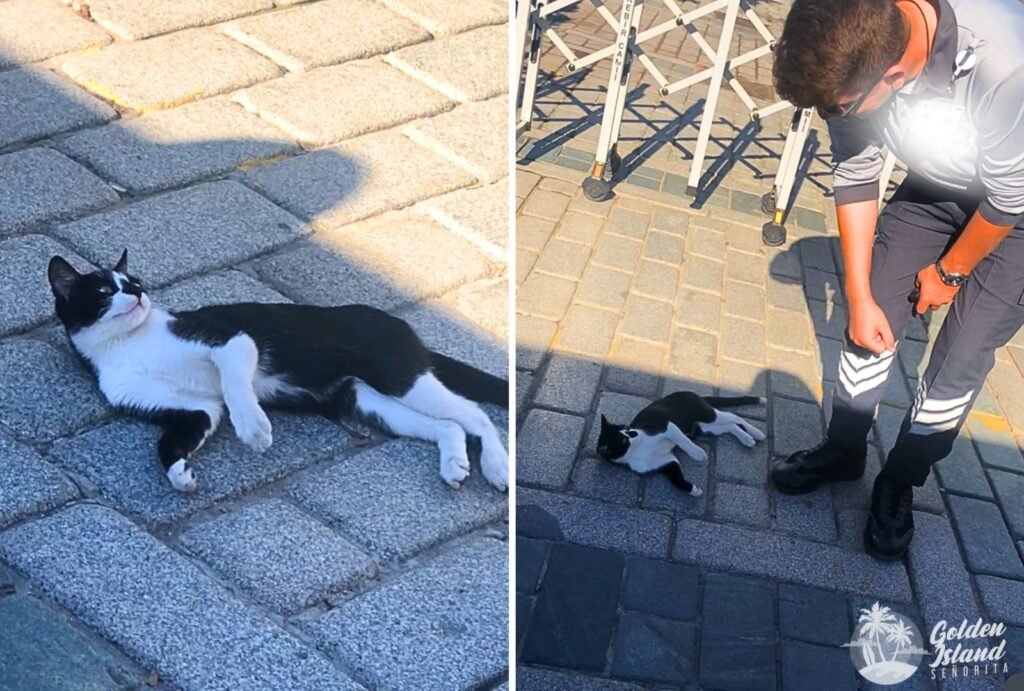
Security Playing with a Mischievous Tuxedo outside Hagia Sophia
Kedi: When the World Fell in Love
The world outside Turkey began to truly understand the cats of Turkey in 2016, when director Ceyda Torun released Kedi (the Turkish word for “cat”). A documentary following seven street cats and the humans whose lives they had touched in Istanbul, Kedi was a quiet revolution in filmmaking — no narration, no dramatic score, no manufactured conflict. Just cats, people, and the texture of daily life in one of the world’s great cities.
The film became an unexpected global phenomenon. It grossed over $2.7 million at the US box office — extraordinary for a foreign-language documentary — and was released in more than 50 countries. Critics praised it not just as a film about the cats of Turkey but as a meditation on loneliness, community, spirituality, and the ways in which animal companionship can carry us through the hardest passages of human life.
One of the film’s most memorable figures is Bente, a charismatic tabby who worked as something of a self-appointed ambassador for her neighborhood in Cihangir. Another is Duman, one of the most dapper cats of Turkey — a tuxedo cat, sleek and precise, with the bearing of a diplomat — who would tap on the window of a local restaurant every morning to request his preferred meal: cold cuts, no bread. The film made clear that these animals were not passive recipients of human generosity. They were active participants in a social world, with personalities, preferences, territories, and relationships as complex as any human’s.
About the Film Kedi (2016)
- Directed by Ceyda Torun, a Turkish-American filmmaker who grew up among the cats of Turkey and wanted to share their world with a global audience.
- Follows seven individual cats through Istanbul’s neighborhoods, each with a distinct personality and human relationship.
- Grossed over $2.7 million at the US box office — a remarkable achievement for a documentary of its kind.
- Released in more than 50 countries; available on Netflix, helping it reach tens of millions of viewers worldwide.
- Described by critics as simultaneously a love letter to Istanbul, a meditation on community, and a masterclass in observational filmmaking.
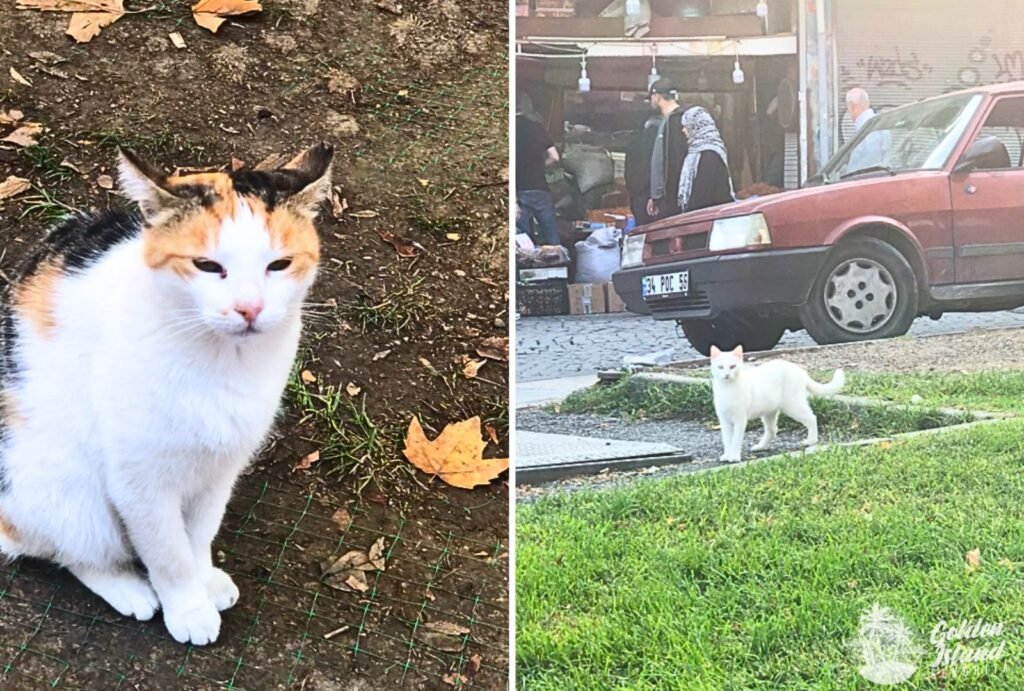
A Calico and a Snow in Istanbul
How Turkish People Actually Care for Street Cats
The care system that sustains the cats of Turkey is as informal as it is effective. It operates through a dense web of individual relationships, neighborhood routines, and occasional municipal support — a distributed network of affection rather than a centralized program.
On virtually every Turkish street, you will find small plastic containers or repurposed takeaway boxes filled with dry kibble and water. These are maintained by local residents, often elderly women and men who take the task as seriously as any other civic duty. Many people budget specifically for cat food just as they budget for groceries. Bakeries set out day-old bread and scraps. Fishmongers reserve the offcuts. Butchers leave bones. Even construction workers on job sites often adopt one of the cats of Turkey as a site mascot and feed it daily.
Turkish municipalities have increasingly formalized their role in ensuring the cats of Turkey stay healthy and safe. Most major cities operate Trap-Neuter-Return (TNR) programs, in which street cats are caught, vaccinated, sterilized, ear-tipped (a small notch in the ear indicates a cat has been treated), and returned to their territories. This approach keeps populations stable and healthier over time without the traumatic and largely ineffective approach of mass culling. Many cats also receive microchips and are registered in municipal databases, giving them a kind of bureaucratic citizenship.
The Turkish Vet Network
In addition to municipal programs, the cats of Turkey are supported by a thriving culture of informal veterinary support. Many veterinary clinics offer discounted or free treatment for injured street animals brought in by concerned residents. Animal welfare organizations — both formal NGOs and informal neighborhood groups — coordinate rescue operations for cats injured in traffic, poisoned maliciously (a regrettably common act in some areas), or caught in extreme weather. Social media has been a powerful tool for this network: Turkish Twitter, Instagram, and Facebook groups devoted to stray animal welfare number in the thousands, with hundreds of thousands of members, and respond rapidly to reports of animals in distress.
Unique Cat Breeds That Call Turkey Home
Among the most remarkable facts about the cats of Turkey is that the country is the origin of several of the world’s most distinctive and celebrated cat breeds, further cementing their place in the feline hall of fame.
The Turkish Van
Perhaps the most famous Turkish breed, the Van cat comes from the Lake Van region in eastern Turkey. Distinguished by its striking coloring — a largely white body with color markings restricted to the head and tail — and its extraordinary love of water (highly unusual for a domestic cat), the Van cat — one of the most iconic cats of Turkey — is considered a national treasure.[9] The pure white, odd-eyed Van cat (one blue eye, one amber) is particularly prized and is the subject of a dedicated breeding program at Van Yüzüncü Yıl University,[10] established to preserve the breed’s genetic integrity.
The Turkish Angora
One of the oldest known domesticated cat breeds in the world, the Angora — among the most aristocratic cats of Turkey — originated in the Ankara region (formerly called Angora, which gives the breed its name). With its long, silky coat, elegant build, and highly intelligent, playful personality, the Angora was prized by European royalty and aristocracy from the 17th century onward. As with the Van cat, the Turkish government operates a preservation program for Angoras, particularly for the white, odd-eyed variety considered most historically authentic.
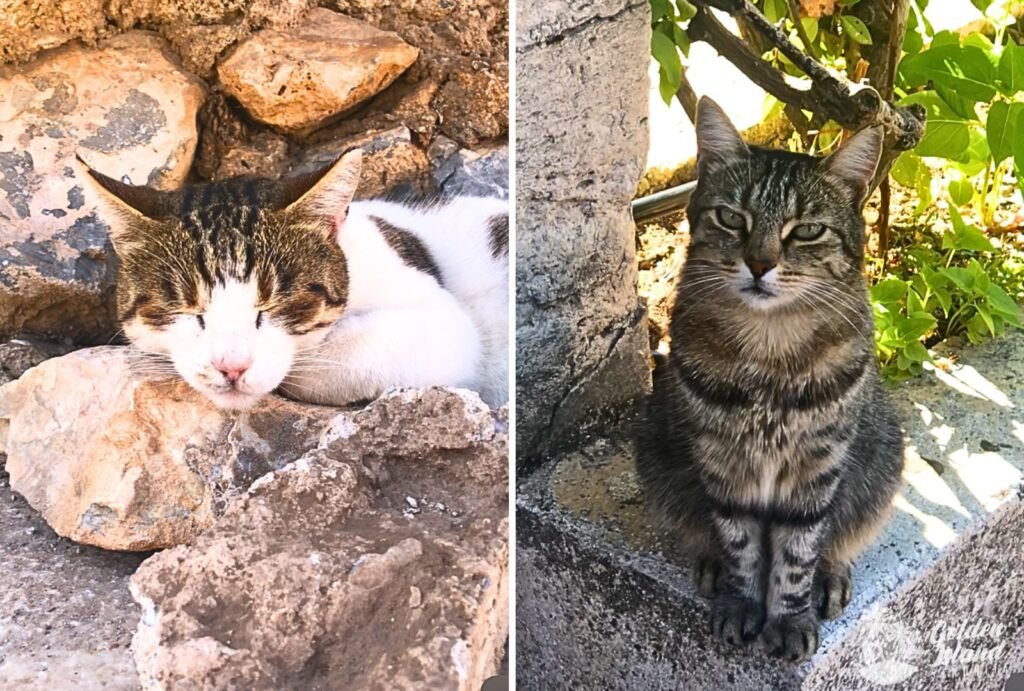
Sleepy Tabby at the Ancient City of Ephesus | this Gorgeous Good Boy in Istanbul
Cats in Turkish Art, Literature & Folklore
The cats of Turkey have earned a place in the cultural imagination that extends far beyond the street. In Ottoman miniature painting, cats appear in domestic interiors as symbols of comfort and refinement. In classical Turkish poetry, the cat is a recurring figure of elegance, independence, and subtle power — qualities admired in Ottoman literary aesthetics. The great 13th-century mystic Rumi, whose poetry remains widely read in Turkey today, wrote of animals as reflections of divine love, and cats occupy a particular place of warmth in the Sufi imaginative tradition.
In Turkish folklore, the cats of Turkey are associated with protection, good fortune, and spiritual sensitivity. There is a widespread popular belief that cats can perceive spirits and supernatural forces invisible to human eyes — a belief that makes them welcome presences in sacred spaces, including mosques and shrines. Cats are thought by many to carry baraka — a form of divine blessing — and to transmit this quality to the spaces they inhabit and the people they choose to spend time with.
Contemporary Turkish literature and visual art continue this tradition. The poet Can Yücel wrote movingly about street cats; the novelist Orhan Pamuk, in his memoir Istanbul: Memories and the City, evokes the cats of Turkey who haunt the Bosphorus neighborhoods as inseparable from the city’s melancholic beauty. Even Turkish cinema beyond Kedi frequently features cats as peripheral characters who anchor scenes in a kind of local authenticity.
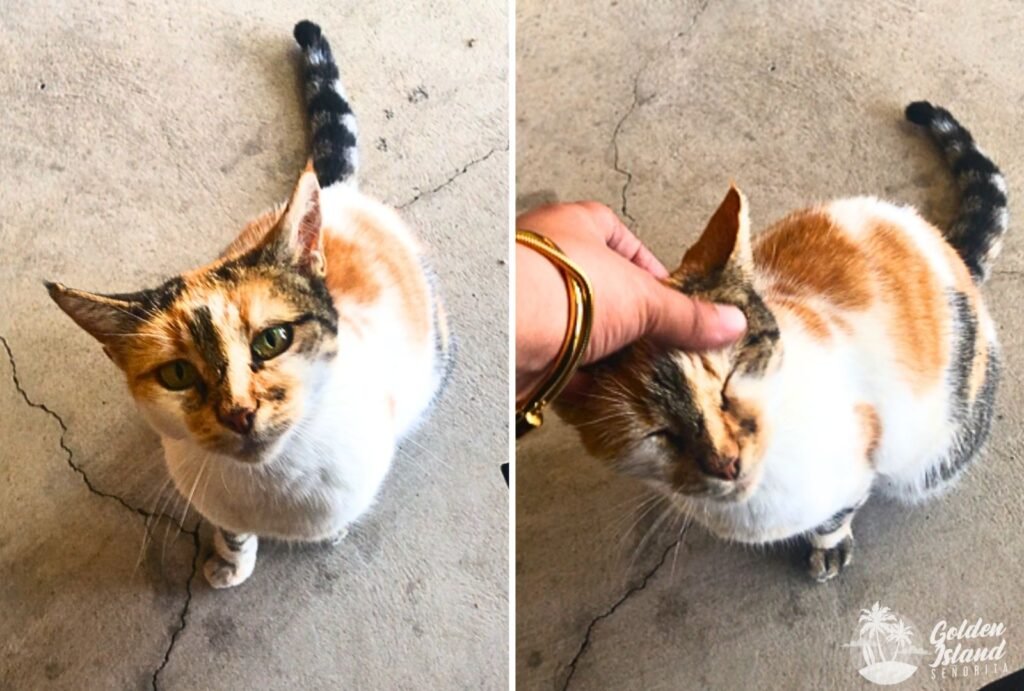
Got Chosen by the Cat Distribution System in Izmir
Cat Cafés and Modern Feline Culture
The global cat café phenomenon — which originated in Taiwan and spread through Japan before becoming a worldwide trend — found a particularly warm reception in Turkey, a land long shaped by the cats of Turkey and their hold on public life. Istanbul, Ankara, and Izmir all have established cat cafés, typically small, cozy spaces decorated with whimsical feline motifs, stocked with books and board games, and populated by resident cats of varying degrees of sociability.
What distinguishes Turkish cat cafés from their counterparts in Japan or Korea is the atmosphere: less commercial and structured, more like someone’s living room into which several cats have graciously agreed to invite the public. Many Turkish cat café owners have adopted their residents from the street — giving former cats of Turkey a stable home while also providing the café’s human visitors with the deeply pleasurable company of cats who trust people completely — a trust earned through years of community care.
Beyond cafés, the cats of Turkey have become central to the country’s digital culture. Turkish social media is awash with cat content — neighborhood Facebook groups regularly update their followers on the health and antics of resident street cats. Instagram accounts run by or on behalf of individual Istanbul cats command followings in the tens of thousands. There is even a long-running Twitter tradition of Turkish users sharing photos of cats they encounter during their daily commutes, with location tags that allow followers to visit and feed them in person.
The Challenges Facing Turkey’s Cats Today
The story of the cats of Turkey is not without its tensions and difficulties. Rapid urbanization, particularly the replacement of older, lower-density neighborhoods with high-rise apartment blocks, has disrupted established cat territories and reduced the number of ground-floor shops and open courtyards that cats rely upon. As Istanbul grows and gentrifies, some neighborhoods that were once richly populated with cats and their human supporters become less hospitable.
There is also an ongoing and painful social conflict between animal lovers and a minority who regard street animals as nuisances or health hazards. Poisoning of the cats of Turkey — while illegal — remains a problem in some communities, and animal welfare organizations devote significant energy to advocacy, legal action, and public education to combat it.
Turkey’s political and legal landscape around animal welfare has been evolving. A landmark animal protection law was debated extensively in the Turkish parliament in 2021 and 2022, with heated arguments between those who want large-scale sheltering and those who defend the traditional TNR and community-care model. The outcome of this ongoing legislative process will shape the future of millions of cats’ lives.
Turkey vs. the Rest of the World: A Different Relationship
It is worth pausing to appreciate just how different the relationship between humans and the cats of Turkey is from that seen in most other countries. In the United States, stray cats are almost universally impounded. In China, cats have historically faced tragic threats from the wildlife trade. In much of Northern Europe, the outdoors-access debate has led to fierce arguments about cats as threats to local bird populations. In Japan, while cats are beloved, they exist primarily as indoor pets or in carefully managed sanctioned colonies.
Turkey offers something genuinely different: a model in which cats occupy a legitimate, recognized place in urban public life — not as problems to be managed but as presences to be honored. This is not naive or unaware of the ecological and public health considerations involved; Turkish municipalities do vaccinate and sterilize, and there are genuine debates about best practices. But the baseline assumption — that cats belong in the city, that humans are responsible for their wellbeing, and that this relationship enriches rather than diminishes urban life — is one that the rest of the world is increasingly looking at with admiration.
“Cats know how to obtain food without labor, shelter without confinement, and love without penalties.”
W.L. George — a sentiment every Turkish cat seems to have read
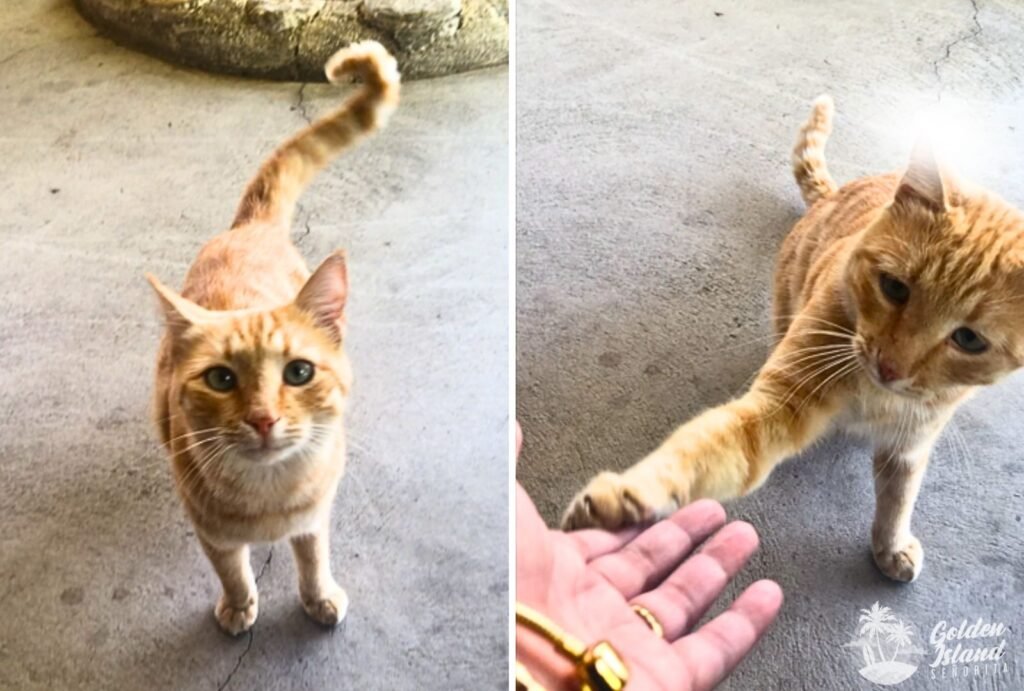
Got Chosen by the Cat Distribution System in Izmir (twice), an Orange!
Your Guide to Visiting Turkey’s Cats
If you travel to Turkey and want to engage with its magnificent cat culture responsibly and respectfully, here is everything you need to know.
How to interact with Turkish street cats — a visitor’s guide
- Let cats approach you first. Turkish street cats are generally very comfortable around humans, but they are also confident enough to walk away if they are not interested. Crouch down, extend a hand, and let the cat decide.
- Feed responsibly. If you want to bring snacks for street cats, ask a local shop or your hotel what the neighborhood cats are accustomed to eating. Unfamiliar rich foods can upset their digestions.
- Carry a small bottle of water. Turkey’s summers are intense, and ensuring water sources are topped up is one of the most genuinely useful things a visitor can do for street cats.
- Photograph respectfully. Turkey’s cats are extraordinarily photogenic and well accustomed to cameras — but do not use flash at night, and do not chase or corner a cat for a photo.
- Support local NGOs. Organizations like the Istanbul-based HAYTAP (Animal Rights Federation) and local municipal veterinary services do extraordinary work. A small donation goes a long way.
- Report injured cats. If you encounter a cat in distress, the easiest option is to alert the nearest shop owner or restaurant — they will typically know the cat and how to summon help.
- Visit the cat-famous spots. The Karaköy docks, Cihangir neighborhood, the Egyptian Bazaar fish market, the Balat quarter, and the Moda ferry terminal in Kadıköy are all legendary cat territories well worth visiting.
- Do not try to take a cat home. It is illegal to export Turkish cats without proper documentation, and the street cats, despite their friendliness, belong to their neighborhoods — removing them causes genuine distress to both cat and community.
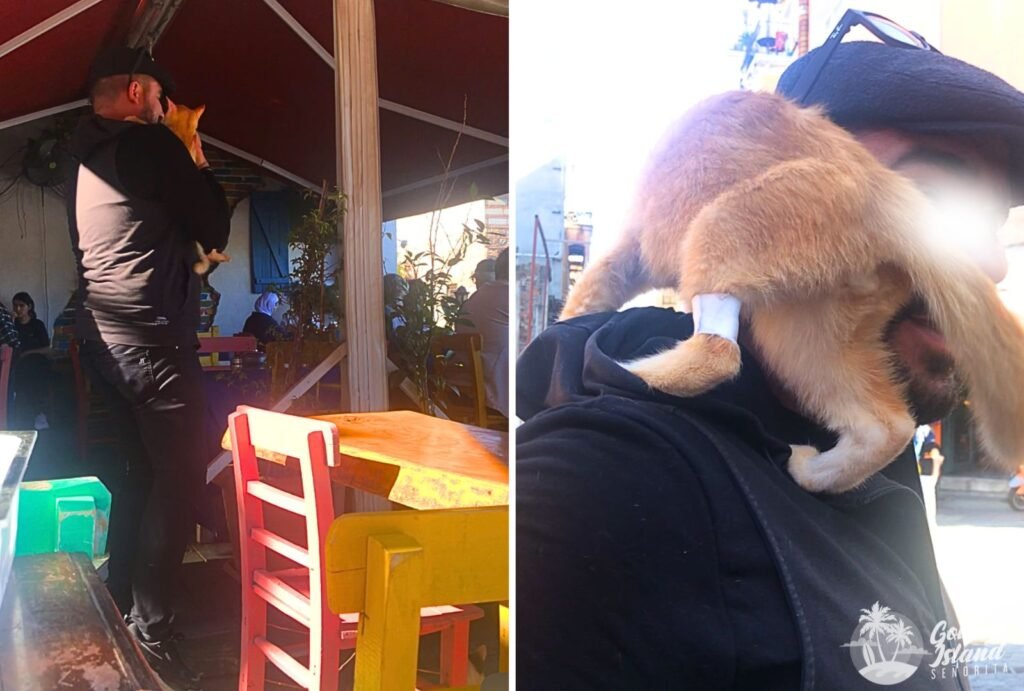
Random guy with a Kitty in Istanbul (Kuya is such a #GreenFlag)
What Turkey’s Cats Teach Us
There is a lesson in Turkey’s cat culture that extends far beyond the animals themselves. In a world that increasingly struggles with questions of belonging, care, and community, Turkey’s relationship with its millions of street cats models something remarkable: the idea that we can make room — physical, emotional, and cultural room — for lives that are not ours to control.
Turkish cats are not owned. They are not managed out of existence. They are not kept at arm’s length behind glass in pet shops. They are, instead, simply present — part of the daily texture of human life in a way that enriches everyone who passes through a Turkish city. They remind us, without effort, that the world is not only for us, that sharing space with other creatures can be a source of deep joy, and that kindness offered freely and daily — a handful of kibble, a bowl of water, a scratch behind the ears — accumulates into something that can fairly be called a civilization.
Whether you are a devoted cat lover, a casual traveler, or simply someone curious about the ways different cultures organize their relationship with the natural world, Turkey’s cats are worth knowing. They are, as the filmmaker Ceyda Torun once said, the living pulse of the city — and you can feel it, unmistakably, the moment one of them looks up at you from a warm Istanbul cobblestone and decides, with supreme feline dignity, that you might just be worth knowing too.
🐾 ✦ 🐾
And to Orion — my perfect, moonlit tuxedo boy — I hope wherever you are, the rooftops are warm, the fish is fresh, and the view of the stars is exactly as magnificent as your name always promised. Mommah misses you. 🌟
References & Further Reading
Sources cited in this article, with links for further exploration
Street Cats & Cat Culture in Turkey
- [1]Wikipedia — Feral cats in Istanbul. Overview of Istanbul’s street cat population, estimates, and the communal ownership model. Last updated 2025. en.wikipedia.org/wiki/Feral_cats_in_Istanbul
- —The Sundial Press — The Stray Cats of Turkey: Unveiling the Unique Communal Pet Culture. Includes Istanbul Mayor Ekrem İmamoğlu’s description of Istanbul as “the capital of cats.” November 2023. sundialpress.co
- —HistorySnob — The History of Cats in Istanbul. Detailed account of Ottoman-era feeding customs, the role of trade ships, and the social integration of cats in the city. May 2025. historysnob.com
- —Legal Nomads — Why Are There So Many Cats in Istanbul? A thorough exploration of Turkey’s animal welfare laws, the 2024 legislative changes, and community feeding culture. Updated March 2026. legalnomads.com
- —Amaliah — From Palaces to Mosques: The Fascinating History of Cats in Istanbul. Examines Islamic stewardship principles and the Hagia Sophia’s cat culture. April 2025. amaliah.com
Cats in Islam & Ottoman History
- [2]IQRA Network — The Love of Prophet Muhammad for Cats. Covers the Muezza story and Islamic teachings on cats as ritually clean animals. August 2024. iqranetwork.com
- [3]Studio Arabiya — Did Prophet Muhammad Have a Cat? Discusses Hadith references, the ritual purity ruling (tahir), and the historical development of the Muezza tradition. October 2025. studioarabiya.com
- —Uluma Al-Azhar — The Relationship Between Muslims and Cats. Cites Hadith from Sunan Abu Dawood and Sahih al-Bukhari on cat purity and the moral duty to treat animals with kindness. December 2025. ulumalazhar.com
- —Grokipedia — Islam and Cats. Comprehensive overview of cats in Islamic jurisprudence, barakah (blessing), and the spread of cat culture across Ottoman society. March 2026. grokipedia.com
Gli of the Hagia Sophia
- [4]Bayt Al-Fann — Cats in Islam & Muslim Culture. Includes a dedicated entry on Gli, her name (meaning “union of love” in Turkish), and her significance as a symbol of Istanbul’s cat culture. August 2022. baytalfann.com
The Documentary Kedi (2016)
- [5]Wikipedia — Kedi (2016 film). Full production details, release timeline, awards, and box office data. Accessed 2025. en.wikipedia.org/wiki/Kedi_(2016_film)
- [6]Deadline — How America’s Love Affair With Cats Made Ceyda Torun’s ‘Kedi’ Doc A Surprise Hit. Director interview confirming $2.8 million North American box office and worldwide success. November 2017. deadline.com
- —IndieWire — Kedi: Oscilloscope’s Documentary on Turkish Cats Is Box Office Hit. Reports on the film’s 97% Rotten Tomatoes score and its status as one of the highest-grossing foreign-language documentaries of all time. April 2017. indiewire.com
- —IMDb — Kedi (2016). Cast, credits, awards, and audience reviews. imdb.com/title/tt4420704
- —Time Out — Kedi Review. Critical assessment of the documentary’s filmmaking technique and social significance. June 2017. timeout.com
Animal Welfare Programs & TNR
- [7]Gilu Cats — How Istanbul Became a Haven for Stray Cats: A Global Model for TNVR Success. Detailed breakdown of Istanbul’s TNR program, municipal veterinary services, and the role of NGOs. September 2025. gilucats.com
- [8]Help Street Cats and Dogs — Why Turkey? Context on Turkey’s animal protection laws, the 2024 legislative changes, and the history of Law No. 5199. helpstreetcatsdogs.com
- —Turkish Travels — Stray Cats and Dogs. Overview of Turkey’s evolving community-care model for street animals, including TNR adoption since the early 2000s. August 2025. turkish-travels.com
Turkish Cat Breeds
- [9]The Governing Council of the Cat Fancy (GCCF) — Turkish Van & Turkish Vankedisi. Breed standard documentation, history, national treasure status, and the role of the Turkish College of Agriculture. gccfcats.org
- —The International Cat Association (TICA) — Turkish Van. Breed history, characteristics, and conservation background. tica.org
- [10]Hurriyet Daily News — Van Cat Research Center Welcomes First Litters of 2026. Reports on the ongoing breeding program at Van Yüzüncü Yıl University. April 2026. hurriyetdailynews.com
- —TRT World — New Van Cat Kittens: Türkiye’s Most Charismatic Feline Gets a Fresh Start. Covers the Van Cat Research and Application Centre’s cultural and scientific mission. April 2025. trt.global
- [11]Cat Fanciers’ Association (CFA) — Turkish Angora. Confirms the breed as the oldest known longhair, with a written history dating to the 1600s. cfa.org
- [12]VCA Animal Hospitals — Turkish Angora. Documents the Ankara Zoo’s preservation program and its history since 1917. vcahospitals.com
- —Wikipedia — Turkish Angora. Breed origin, documentation history, and government conservation efforts. en.wikipedia.org/wiki/Turkish_Angora
Turkey’s Broader Approach to Street Animals
- [13]Travel Atelier — Meowza! Why Are There So Many Cats in Istanbul? Discusses the cultural and historical factors behind Istanbul’s cat culture, including the two native Turkish cat breeds. travelatelier.com
- —Ynet News — Cats Considered Pure, a Blessing Throughout Muslim History. Academic perspective from Prof. Miri Shefer-Mossensohn (Tel Aviv University) on Islamic attitudes toward cats across history. August 2025. ynetnews.com


Polly Amora
Polly Amora is the señorita behind GoldenIslandSenorita.Net. A corporate warrior by day, and a perpetual explorer by heart. She is a lifelong learner who is very outgoing, speaks four languages, loud & outspoken, and loves to have adventures in the mountains, on the beach, and in the city. You can throw her anywhere, and she'll handle it like a pro. Ice cream and bourbon are two of her weaknesses.


You May Also Like


50+ Turkish Phrases for Travelers: A Fun Beginner’s Guide That Won’t Put You to Sleep

EPHESUS, TÜRKIYE: A Comprehensive Travel Guide for First-Time Visitors
